Does Medi-Cal Cover Braces for Kids? HLD Score Requirements Explained for West Covina Families
Medi-Cal covers braces for children who score 26 or higher on the Handicapping Labio-lingual Deviation (HLD) index, a standardized severity scale. Qualifying conditions include severe crowding, significant overbite, crossbite, or skeletal discrepancies. Children enrolled in Denti-Cal who meet this threshold receive orthodontic coverage at no cost to the family.
How Medi-Cal Orthodontic Coverage Works for Children
Medi-Cal orthodontic benefits fall under the Denti-Cal program, which covers medically necessary dental and orthodontic care for eligible children under age 21 (textbookorthodontics.com). Coverage is not automatic. Every child must be evaluated clinically and meet specific criteria. Prior authorization from DHCS is required before treatment begins. Once approved, Medi-Cal covers comprehensive orthodontic treatment. This includes fixed metal braces, initial records (X-rays, photographs, impressions, digital scans), all adjustment appointments, and retainers at completion. Families pay nothing out of pocket for approved cases. The catch: treatment must be performed by a Denti-Cal-enrolled orthodontist. Only about one-quarter of dental practices in California accept Denti-Cal patients (chcf.org), which means not every orthodontic office near you will be an option. For West Covina families, identifying an enrolled provider early in the process saves significant time.
Who Qualifies: Age and Enrollment Requirements
To qualify, a child must be under 21 and actively enrolled in full-scope Medi-Cal. Permanent dentition must be substantially complete. Most candidates are ages 10 to 14. A referral from a Denti-Cal primary dental provider is typically the first step before an orthodontic evaluation is scheduled. Medi-Cal eligibility itself is income-based and determined by the California Department of Social Services. In Los Angeles County, families enrolled through Medi-Cal Managed Care may receive orthodontic services through their assigned dental plan rather than the fee-for-service Denti-Cal program directly. Parents should confirm which plan covers their child before scheduling a specialist appointment.
What Medi-Cal Orthodontic Treatment Includes
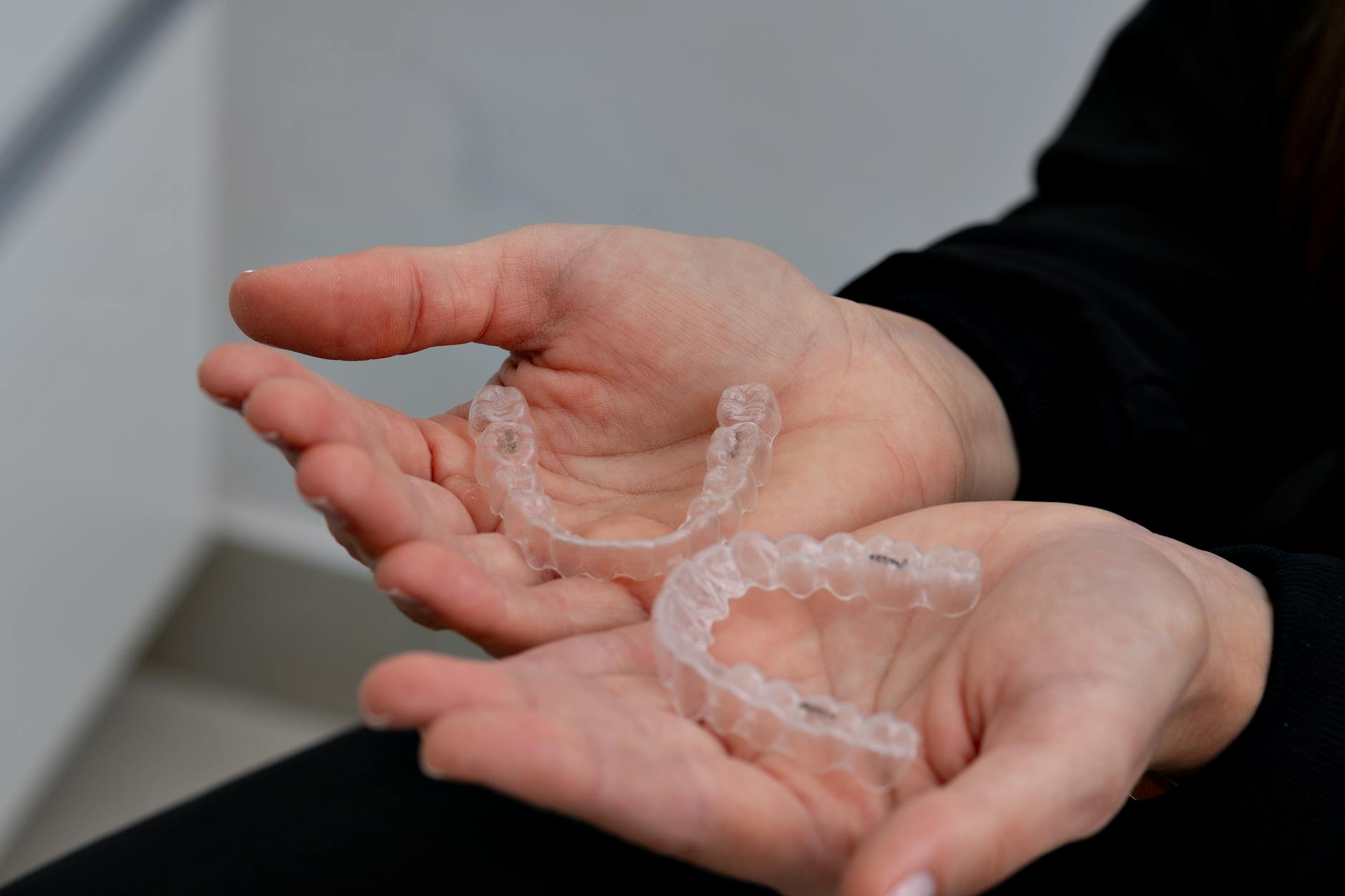
Approved Medi-Cal orthodontic cases cover comprehensive fixed orthodontic appliances, meaning traditional metal braces on both upper and lower arches. The program also includes all records needed to initiate treatment and every adjustment appointment throughout the active phase. Retainers upon completion are included as well. Medi-Cal does not cover Invisalign, ceramic braces, lingual braces, or any purely cosmetic orthodontic procedure. Families who want these alternatives must pursue private pay or PPO dental insurance coordination. Children's braces through Denti-Cal are functional by design, not aesthetic, and the treatment scope reflects that distinction.
The HLD Score: Medical Necessity Standard Explained
HLD stands for Handicapping Labio-lingual Deviation, a standardized index used by Denti-Cal to measure how severely a child's bite or tooth alignment deviates from normal function. The index was developed to ensure orthodontic coverage is reserved for cases where misalignment causes functional or health-related impairment, not cosmetic concerns. To qualify for coverage, a child must score 26 points or higher on the HLD Index, or have one of the six automatic qualifying conditions (textbookorthodontics.com). A licensed orthodontist measures six clinical categories. These include overjet, overbite, open bite, crossbite, crowding, and cleft palate or craniofacial anomalies. Each category receives a numerical value based on millimeters of deviation or clinical severity. The scores are summed into a total HLD index score, which is documented on the Denti-Cal Treatment Authorization Request (TAR) form submitted for prior authorization.
How the HLD Score Is Calculated
The orthodontist measures each of the six clinical categories and assigns point values based on defined severity thresholds. Overjet, for example, accounts for horizontal protrusion of the upper front teeth relative to the lower. Severe overjet greater than 9mm with lip incompetence is one condition that can contribute substantially to the score or qualify as an automatic qualifier (textbookorthodontics.com). Crowding, measured by displacement of contact points, adds to the total based on millimeters of space deficiency. All measurements must be documented precisely on the TAR form. A score below 26 results in denial. At that point, families may appeal with supporting clinical documentation or pursue private orthodontic care through PPO dental insurance or in-house financing options.
Automatic Qualifier Conditions That Bypass the HLD Threshold
Six specific conditions result in automatic approval regardless of the numerical HLD score (textbookorthodontics.com). These include cleft palate or cleft lip with palatal involvement, deep impinging overbite where lower incisors contact the palate, and anterior or posterior crossbite with a functional shift of the jaw. Severe traumatic dental deviation caused by accident or injury may also qualify outside standard scoring. These automatic qualifier conditions are documented separately on the TAR form and require supporting clinical records such as panoramic X-rays and cephalometric analysis. Families whose child meets an automatic qualifier should not assume the process is faster. Documentation must still be complete and submitted correctly. The prior authorization review timeline applies regardless of qualifier type.
What Happens If Your Child Doesn't Meet the HLD Score Requirement
A score below 26 does not mean your child's orthodontic needs are unimportant. It means Denti-Cal classifies the case as not medically severe enough for covered treatment under its current threshold. This is a meaningful distinction for West Covina families navigating the system. Three paths forward exist: appeal the denial, re-evaluate when the child's dentition matures and severity may increase, or pursue private orthodontic treatment. Many orthodontic practices in West Covina and across the San Gabriel Valley offer flexible orthodontic payment plans, in-house financing, and PPO dental insurance coordination that make private treatment genuinely accessible. The American Association of Orthodontists recommends a first evaluation by age 7. Even if HLD coverage isn't yet available, interceptive orthodontics may prevent a more severe malocclusion in children from developing later, ultimately reducing total treatment complexity and cost.
Appealing a Medi-Cal Orthodontic Denial
Families can request a State Fair Hearing through the California Department of Social Services when a TAR is denied. This is a formal process with procedural requirements. A detailed letter of medical necessity from the treating orthodontist describing functional impairment, including chewing difficulty, speech issues, or TMJ risk, significantly strengthens an appeal. Supplemental records should accompany the appeal: panoramic X-rays, cephalometric analysis, intraoral photographs, and study models. Appeals must generally be filed within 90 days of the denial notice. A board-certified orthodontist can prepare documentation that articulates clinical findings in the language DHCS reviewers expect, which improves the likelihood of a successful outcome.
Dental Managed Care Plans in Los Angeles County
Los Angeles County Medi-Cal beneficiaries are frequently enrolled in Denti-Cal Managed Care rather than the fee-for-service Denti-Cal program. This is a critical distinction many families miss. Under managed care, orthodontic services may be handled through a contracted dental health plan such as DentaQuest, LIBERTY Dental Plan, or Anthem Blue Cross Dental. Each managed care plan has its own provider network and prior authorization process, though the HLD score threshold of 26 still applies as the medical necessity standard. Families should contact their managed care dental plan directly to identify enrolled orthodontists and confirm the specific authorization process their plan uses. Switching between plans or disenrolling incorrectly can create coverage gaps that delay treatment.
Private Pay and PPO Insurance as Alternatives
Most PPO dental insurance plans include orthodontic benefits with a lifetime maximum that typically varies by plan design. Orthodontic practices that accept PPO dental insurance can apply that benefit toward children's braces even when Medi-Cal doesn't cover the case. Monthly payment plans at private orthodontic offices often begin with little or no down payment. Investing in early orthodontic treatment privately can prevent more complex and costly two-phase orthodontic treatment in adolescence or adulthood. The cost of doing nothing is real.
Medi-Cal vs. PPO Insurance vs. Private Pay for Children's Braces in West Covina
| Factor | Medi-Cal (Denti-Cal) | PPO Dental Insurance | Private Pay / In-House Financing |
|---|---|---|---|
| Eligibility Requirement | Active Medi-Cal enrollment + HLD score ≥ 26 (textbookorthodontics.com) | Active PPO plan with orthodontic rider | No insurance requirement |
| Out-of-Pocket Cost | $0 for approved cases | Remaining balance after $1,000–$2,500 lifetime max | Full treatment fee, offset by payment plans |
| Treatment Options Covered | Traditional metal braces only | Braces, sometimes Invisalign (plan-dependent) | All options: braces, Invisalign, ceramic braces |
| Approval Process | Prior authorization required; can take 4–8 weeks | Pre-authorization recommended; typically 1–3 weeks | No approval needed; treatment can begin promptly |
| Provider Restrictions | Must use Denti-Cal enrolled orthodontist | In-network preferred; out-of-network allowed at higher cost | Any orthodontist of your choice |
| Best For | Families with limited income whose child meets HLD threshold | Families with employer-sponsored or marketplace dental plans | Families who don't qualify for Medi-Cal or need faster or more flexible treatment |
Getting Your Child Evaluated at One Smile Orthodontics in West Covina
The evaluation process begins with a comprehensive orthodontic exam including digital X-rays, clinical photographs, and a full bite analysis. At One Smile Orthodontics in West Covina, Dr. Namgu Kim personally evaluates every child's case to determine whether the HLD threshold is likely to be met and what documentation will be needed for the TAR submission. Dr. Kim is a board-certified orthodontist who develops individualized treatment plans, not cookie-cutter protocols, taking into account each child's growth stage, airway development, and long-term smile aesthetics. The practice serves a diverse, multilingual West Covina and San Gabriel Valley community. Staff are experienced in supporting families through the Denti-Cal authorization process, including managed care plan coordination specific to Los Angeles County. Initial consultations allow families to understand both Medi-Cal qualification prospects and private treatment alternatives before committing to any plan. Approximately 6.3 million California children suffer from poor oral health by the third grade (chcf.org). Early evaluation matters. At One Smile Orthodontics, we believe every child deserves a clear picture of their orthodontic options regardless of insurance status.
What to Bring to Your Child's Orthodontic Consultation
Bring your child's current Medi-Cal Benefits Identification Card (BIC) and proof of active enrollment. Any recent dental X-rays from your child's primary Denti-Cal dentist help avoid duplicate radiation exposure. If a referral has been issued, bring that as well. Come prepared with a list of functional concerns: difficulty chewing, speech issues, mouth breathing, snoring, or jaw pain complaints. These observations directly inform the clinical documentation needed for the TAR and may identify automatic qualifier conditions that aren't obvious from X-rays alone.
Airway Orthodontics: An Additional Consideration for Children
Dr. Kim is trained in airway orthodontics, which addresses how jaw structure and bite position affect breathing, sleep quality, and overall development. Children who mouth breathe, snore, or show signs of sleep-disordered breathing may benefit from early orthodontic intervention independent of their HLD qualification status. Airway-focused treatment may include a palatal expander to widen the upper jaw and improve nasal breathing capacity. Addressing airway issues during childhood takes advantage of active skeletal growth, which makes correction far more achievable than in adulthood. Parents concerned about their child's sleep or breathing patterns should mention these symptoms during the consultation. This clinical picture can also contribute to a stronger medical necessity argument if a Medi-Cal appeal becomes necessary.
Frequently Asked Questions
What is the minimum HLD score needed for Medi-Cal to cover braces in California?
Does Medi-Cal cover Invisalign for children instead of traditional braces?
How long does the Medi-Cal orthodontic prior authorization process take?
Can my child get braces through Medi-Cal if they already have some adult teeth but not all?
What should I do if my child's Medi-Cal orthodontic application is denied?
Does One Smile Orthodontics in West Covina accept Medi-Cal for children's braces?
Are retainers covered by Medi-Cal after braces are removed?
At what age should I bring my child to an orthodontist for an initial evaluation?
What is an automatic qualifier condition for Medi-Cal orthodontic coverage?
Can my child qualify for Medi-Cal braces if they have a crossbite but a low HLD score?
How can I find a Denti-Cal provider in West Covina?
Are there any specific conditions that must be met for children to qualify for braces under Medi-Cal Denti-Cal?
What are the steps to apply for Medi-Cal Denti-Cal coverage in Los Angeles County?
Can adults also get braces covered under Medi-Cal Denti-Cal in West Covina?
Are there any additional fees not covered by Medi-Cal Denti-Cal for orthodontic treatments?
Sources & References
- California Health Care Almanac: Denti-Cal Facts and Figures (opens in a new tab)[org]
- Medi-Cal Dental Reports - DHCS - CA.gov (opens in a new tab)[gov]
- LA Medical Orthodontist Care | Textbook Orthodontics (opens in a new tab)[industry]
- Item 05-07-01C.htm - California Department of Social Services (opens in a new tab)[gov]
About the Author
One Smile Orthodontics
One Smile Orthodontics is a West Covina practice led by Dr. Namgu Kim, offering board-certified expertise in braces, Invisalign, and airway orthodontics for all ages.
Learn more at www.onesmileorthodontics.com → (opens in a new tab)Related Posts
7 Foods You Cannot Eat With Braces (And What to Eat Instead)
Braces are a significant investment in your smile, and what you eat can make or break your progress. This guide covers the 7 most damaging foods to avoid during orthodontic treatment, explains exactly why they cause problems, and offers delicious safe alternatives so you never feel deprived.
14 min read
Lingual Braces vs. Invisalign: Which Is Better for Adults Who Want Hidden Treatment?
Both lingual braces and Invisalign offer nearly invisible orthodontic treatment for adults, but they work very differently and suit different cases. This comparison breaks down cost, comfort, effectiveness, and lifestyle fit so you can choose the right hidden treatment for your smile goals.
9 min read
How to Keep Teeth Clean With Braces: A Step-by-Step Brushing and Flossing Guide
Keeping teeth clean with braces requires more effort than regular brushing, but the right technique makes it manageable. This step-by-step guide covers brushing angles, flossing methods, and the tools that protect your smile while you straighten it.
13 min read