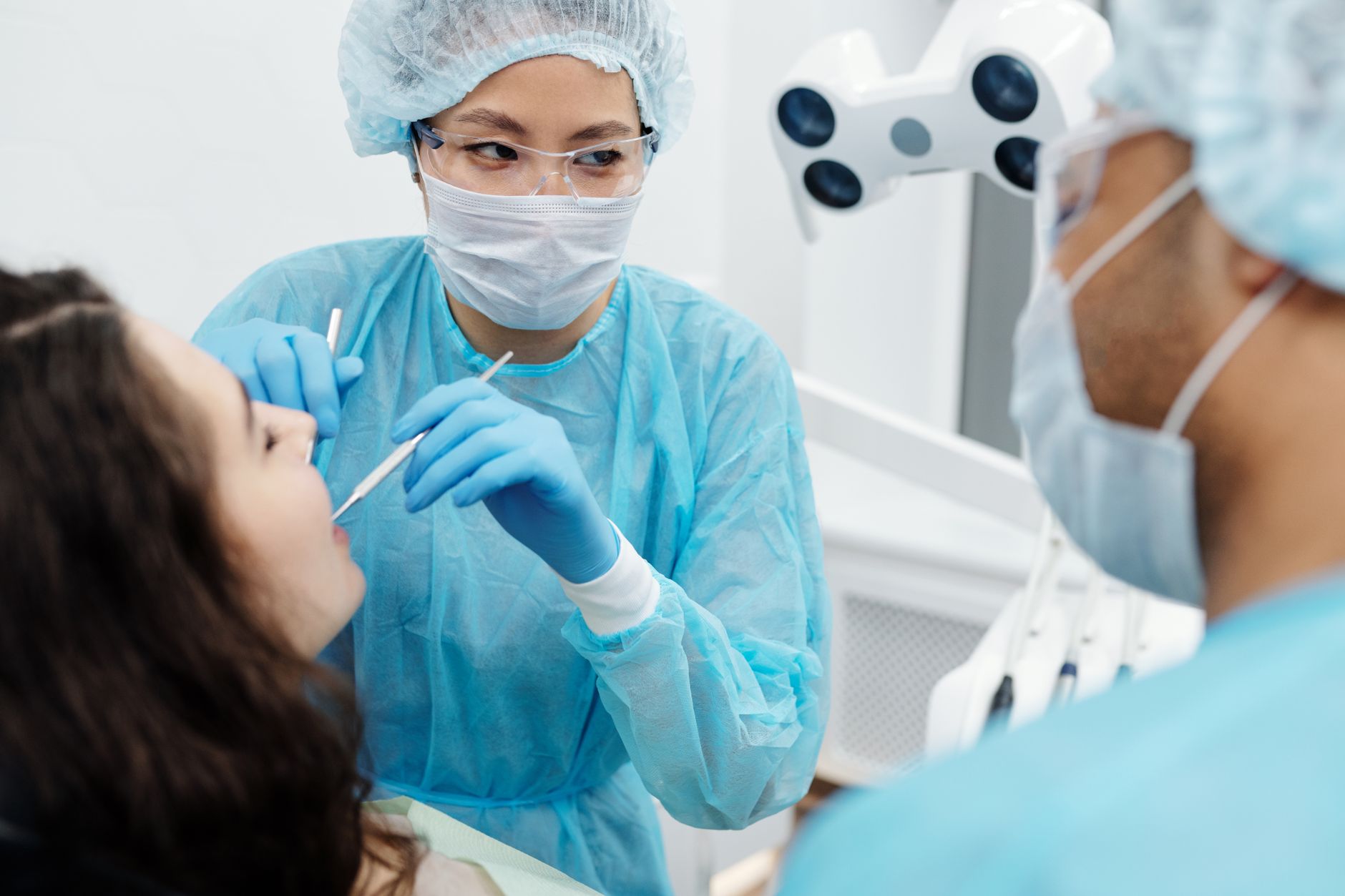
Most orthodontic emergencies, including broken brackets, loose wires, and soreness, are not medically urgent. Temporarily fix a poking wire with orthodontic wax, clip a protruding wire with nail clippers, and take over-the-counter pain relievers for soreness. Call your orthodontist within 24 to 48 hours to schedule a repair appointment.
What Counts as a True Orthodontic Emergency?
Not every orthodontic problem requires a panicked trip to the emergency room. In fact, most issues patients experience are minor inconveniences. These include broken brackets, poking wires, and post-adjustment soreness. All can be managed safely at home until you reach your orthodontist. A true orthodontic emergency has three defining factors. Active bleeding that cannot be controlled is one. Severe infection with visible facial swelling is another. Physical trauma that displaced or knocked out a tooth is the third. Knowing this distinction before something goes wrong is the most useful thing you can do. When in doubt, call your orthodontist's after-hours line first. At One Smile Orthodontics in West Covina, Dr. Namgu Kim's team provides guidance so patients can make an informed decision before driving anywhere.
Issues That Require Same-Day or Emergency Care
Some situations cross the line from inconvenient to genuinely urgent. Facial trauma from a fall, collision, or accident that injures the jaw or displaces teeth requires immediate attention from either an emergency dentist or a hospital. Similarly, a deep gum abscess accompanied by spreading facial swelling is a medical emergency. Infection can travel rapidly through soft tissue. Delaying care by even a day can worsen outcomes significantly. A wire that has created a deep, bleeding wound that does not stop within 10 to 15 minutes of applying pressure also qualifies as same-day care. Sharp pain signals a problem if it does not improve after three days. It is also concerning if it causes bleeding with normal biting pressure. Inability to eat or drink also indicates something beyond normal adjustment discomfort. In any of these scenarios, call your orthodontist immediately, and if the office is closed, contact an emergency dental provider in the San Gabriel Valley or go to an urgent care facility.
Issues That Can Wait Until Your Next Appointment
Most of what patients experience during orthodontic treatment falls into the manageable category. A single broken bracket that is still threaded onto the archwire is not going anywhere and poses no immediate threat to your health or your treatment timeline if addressed within a few days. A loose band on a back molar, a slightly protruding wire end with no active wound, and the general soreness that follows a routine adjustment all fall into this group. An appliance that feels slightly shifted or no longer fits quite as snugly as it did at your last visit is worth noting and photographing, but it does not require an emergency room visit. Bring it up at your next scheduled appointment or call the office to ask whether an earlier visit is warranted. Document every issue with a photo. This small habit gives Dr. Namgu Kim's team the information needed to assess severity without requiring you to come in unnecessarily.
How to Handle a Broken or Loose Bracket at Home
A broken bracket is one of the most common issues orthodontic patients encounter, and it almost always traces back to a dietary choice: biting into hard candy, chewing ice, eating crusty bread, or snacking on popcorn. When a bracket breaks, the first reaction is often alarm, but the situation is almost never urgent. The bracket is typically still threaded onto the archwire, which keeps it in rough position. The bigger concern is the sharp edge the bracket may now present to the inside of your cheek or lip. Orthodontic wax resolves this immediately. Avoid the temptation to peel the bracket off the wire, reglue it with household adhesive, or ignore it entirely. Leaving a broken bracket unaddressed for more than a week is problematic. That tooth stops receiving the correct force from the wire. This can stall movement and extend your treatment timeline.
Step-by-Step: What to Do Right After a Bracket Breaks
Handling a broken bracket calmly and methodically reduces discomfort and keeps your treatment on track. Follow these five steps in order.
- Rinse gently with warm water to clear the area of food debris and get a clear view of the bracket.
- Check attachment status. Is the bracket still on the wire, or has it slid completely free? If it is free, place it in a small zip-lock bag to bring to your appointment.
- Cover sharp edges by rolling a pea-sized piece of orthodontic wax between your fingers until warm, then pressing it firmly over the bracket and any exposed wire end.
- Avoid the foods that caused the break. Soft foods only until the bracket is repaired.
- Call One Smile Orthodontics within 24 to 48 hours to schedule a repair visit. Provide the tooth number if you know it, describe whether the bracket is still on the wire, and rate your discomfort on a scale of 1 to 10 so the team can prioritize accordingly.
How to Manage a Poking or Loose Wire
A protruding archwire is uncomfortable and, left unaddressed, can cut the inside of your cheek or tongue. The issue usually develops after a long adjustment gap when teeth have moved enough that the wire now extends slightly beyond the last bracket. A clean pencil eraser or the soft end of a cotton swab can also gently press a wayward wire flat against the tooth surface. Home wire trimming is a legitimate temporary solution when the wire is actively wounding soft tissue and professional care is not immediately available. Use sterilized nail clippers or cuticle cutters, have a second person help with lighting, and cut as close to the last bracket as possible without touching the bracket itself. Never use regular pliers or unsterilized tools. A loose ligature tie, the small elastic or wire loop holding the archwire in the bracket slot, can be repositioned with a clean pair of tweezers or left alone if it is not causing active discomfort.
Using Orthodontic Wax Correctly
Orthodontic wax is the single most useful emergency tool in any braces patient's home kit, yet many patients apply it incorrectly and find it falls off within minutes. The key is moisture control. Dry the target area thoroughly with a clean tissue or piece of gauze before touching the wax. Residual saliva is the primary reason wax does not adhere. Roll a small, pea-sized piece between your fingers for 10 to 15 seconds to warm and soften it, then press it firmly against the poking bracket or wire end using your fingertip, holding for a full five seconds. Replace the wax after every meal and after brushing. Trying to brush around wax that is still in place compromises both oral hygiene and wax adhesion. Wax is clinically safe if small amounts are swallowed accidentally. It is a temporary barrier, not a repair, so schedule a follow-up appointment even if the wax is working well.
When It Is Safe to Trim a Wire Yourself
Self-trimming a wire should be a last resort, reserved for situations where the wire is actively causing a wound and other measures such as orthodontic wax and repositioning with a pencil eraser have failed and you cannot promptly reach your orthodontist. Sterilize your nail clippers with rubbing alcohol and let them dry. Have someone hold a flashlight or use your phone's light to illuminate the area clearly. Trim the wire as close to the last bracket as possible, angling the clipper so the cut end of the wire points away from soft tissue. Rinse with warm salt water immediately after to reduce any irritation. This is a temporary measure only. Schedule a proper repair at your earliest opportunity, because a trimmed wire may lose tension and reduce the force needed to keep your treatment timeline on track.
Relieving Pain and Soreness During Orthodontic Treatment
Soreness after a braces adjustment or a new set of Invisalign clear aligners is a sign the treatment is working. Teeth move through a controlled inflammatory response in the periodontal ligament, and that process is inherently uncomfortable. 교정 치료 후 통증은 조정 후 24~48시간 내에 최고조에 달하고 5~7일 이내에 점진적으로 기준선으로 돌아온다 (pmc.ncbi.nlm.nih.gov 및 link.springer.com 인용). For most patients, over-the-counter ibuprofen (Advil) or acetaminophen (Tylenol) taken as directed on the package provides adequate relief. Ibuprofen's anti-inflammatory mechanism makes it particularly effective for the type of tissue inflammation that drives post-adjustment pain, though patients with gastrointestinal sensitivity may prefer acetaminophen. Cold water, ice packs held against the outside of the cheeks, and cold soft foods like yogurt, smoothies, and applesauce reduce local inflammation and numb the area. 따뜻한 소금물 가글도 자극 완화에 도움이 될 수 있다. 3일 후에도 개선되지 않는 심한 통증은 와이어가 과도한 힘을 가하고 있을 가능성이 있으므로 교정의에게 연락하여 평가를 받아야 한다.
Pain After Braces Adjustments vs. New Invisalign Trays
Braces adjustments and new Invisalign trays both create pressure on teeth, but the character of the discomfort differs in ways that affect how you manage it. Braces adjustments cause generalized pressure soreness distributed across multiple teeth because the orthodontist has tightened or replaced the archwire, changing force levels across the entire arch simultaneously. 브레이스 조정 후 통증은 일반적으로 3~7일 지속되는 반면(24~48시간에 최고조에 달함), Invisalign 트레이 교체로 인한 불편함은 대체로 더 짧아 1~3일 이내에 해소되는 경우가 많으므로, 두 치료 방식의 회복 기간이 동일하다고 기대해서는 안 된다. New Invisalign trays, by contrast, create localized tightness concentrated on the teeth scheduled to move in that particular stage, usually settling within the first 24 to 48 hours as the tray seats fully. Chewing on Invisalign chewies, small cylindrical foam devices provided by your orthodontist, helps seat the tray against the teeth fully and can reduce pressure discomfort by distributing force more evenly. Both types of soreness confirm that teeth are moving as intended, so mild discomfort is a positive clinical signal, not a warning sign. Orthodontic therapy typically lasts about 18 to 24 months (link.springer.com), which means most patients cycle through this pattern of adjustment and recovery many times across their treatment.
Canker Sores and Cheek Irritation From Braces
새 브레이스 장착 후 볼 안쪽 및 입술의 연조직 자극(canker sore 및 마찰)은 치료 시작 후 처음 며칠에서 1~2주 동안 가장 흔하게 발생하며, 대부분의 환자는 1~2주 이내에 조직이 적응하면서 불편함이 해소된다고 느낀다. This friction causes minor sores that feel disproportionately painful given their small size. Orthodontic wax on the roughest bracket edges reduces this friction significantly and allows existing sores to heal without repeated abrasion. Over-the-counter canker sore gels such as Orajel or Kanka provide temporary topical numbing that makes eating and speaking more comfortable. Warm salt-water rinses play a dual role here as well: they accelerate wound healing through gentle osmotic cleansing and reduce the bacterial load that can complicate healing. 자극이 한 달이 지나도 지속된다면 교정의에게 상담을 받는 것이 좋다. Patients in West Covina who start braces during the summer months report an easier adjustment because they have flexible schedules for soft food diets during that initial discomfort window.
When to Call Your Orthodontist and What to Expect
Knowing exactly when and how to contact your orthodontist removes the uncertainty that turns a minor issue into a stressful one. The rule is simple: if you are unsure whether something is an emergency, call first and let the clinical team decide. Most orthodontic offices, including One Smile Orthodontics in West Covina, CA, reserve time in their daily schedule for urgent repair appointments precisely because broken brackets and wire issues are predictable parts of treatment. When you call, have specific information ready: which tooth or area is affected, whether the bracket is still attached to the wire, and your pain level on a 1 to 10 scale. For example, imagine a 14-year-old in West Covina who breaks a bracket while eating popcorn at school. This allows the team to triage accurately. An unrepaired broken bracket means one tooth is no longer receiving the correct directional force, which can stall local movement and, if left unaddressed for more than a week, risk extending your overall treatment timeline. Infection risk is also a consideration. A wire that has punctured the cheek creates an open wound in the oral cavity, an environment with significant bacterial activity. While minor soft tissue injuries heal quickly with good oral hygiene, deep puncture wounds that show signs of spreading redness, swelling, or pus formation require prompt evaluation to rule out cellulitis or abscess. Do not wait on those signs.
What Happens at an Orthodontic Repair Appointment
Repair visits are typically brief, allowing most patients to return to their day quickly. Dr. Namgu Kim will examine the affected bracket and wire, clean the tooth surface, and rebond the bracket using dental adhesive cured with a specialized light. If the archwire was bent or distorted by the break, it is replaced at the same visit. Wire adjustments may also be made if the repair coincides with a stage where a progression in wire size was already planned. Repair costs vary by practice and circumstance, so it is worth reviewing your original treatment contract or asking the office directly about their policy. Your next scheduled adjustment appointment is almost always kept on the same calendar, so the repair visit does not disrupt your treatment pace. Our team at One Smile Orthodontics has found that patients who call promptly after a bracket breaks almost always get back on track with zero impact on their final completion date.
Comparison: Minor Issues vs. True Orthodontic Emergencies
Use this table to quickly assess your situation before deciding whether to call immediately or schedule a routine repair.
| Situation | Urgency Level | First Action | When to Call |
|---|---|---|---|
| Broken bracket still on wire | Low | Apply orthodontic wax | Within 24 to 48 hours |
| Bracket fully detached, no pain | Low | Save bracket, apply wax | Within 24 to 48 hours |
| Poking wire, no bleeding | Low | Apply wax, use pencil eraser | Within 24 to 48 hours |
| Wire causing active bleeding wound | Moderate | Apply pressure, then wax or trim | Same day |
| Loose band on back molar | Low | Avoid sticky foods | At next appointment |
| Post-adjustment soreness | Low | OTC pain reliever, soft foods | If pain lasts over 4 days |
| Severe pain not improving after 3 days | Moderate | OTC pain reliever | Same day call |
| Facial swelling or spreading redness | High | Do not wait | Emergency or same day |
| Tooth knocked loose by trauma | High | Keep tooth moist if displaced | Emergency room immediately |
| Swallowed bracket | Low | No action needed | Mention at next visit |
Frequently Asked Questions
Is a broken bracket a dental emergency?
Can I eat with a broken bracket until my appointment?
What should I do if my braces wire is poking my cheek at night?
How long does soreness last after an orthodontic adjustment?
Can a swallowed bracket harm me?
Will a broken bracket slow down my orthodontic treatment?
What is orthodontic wax and where can I buy it?
Can I use Invisalign if I have a broken bracket?
How do I know if my child needs an emergency orthodontic appointment?
When is a loose bracket a real orthodontic emergency?
How can I reduce pain from braces at home?
Can I fix a broken bracket myself temporarily?
Should I call my orthodontist or wait for my next appointment?
Sources & References
- Evaluation of Pain and Discomfort Associated with Orthodontic Adjustments, PMC / NCBI (opens in a new tab)[edu]
- Efficacy of Low-Intensity Pulsed Ultrasound in Orthodontic Tooth Movement and Pain Perception, BMC Oral Health / Springer Nature (opens in a new tab)[edu]
- Factors associated with orthodontic pain - PMC (NIH/NLM) (opens in a new tab)[factcheck]
- Pain level between clear aligners and fixed appliances: a systematic review - PubMed (opens in a new tab)[factcheck]
- Duration of orthodontic treatment with fixed appliances in adolescents and adults: a systematic review with meta-analysis (Progress in Orthodontics, Springer, 2020) (opens in a new tab)[factcheck]
- What is an Orthodontic Emergency and How Do You Handle Them? | American Association of Orthodontists (opens in a new tab)[factcheck]
- Failure patterns of different bracket systems and their influence on treatment duration: A retrospective cohort study – PMC (opens in a new tab)[factcheck]
About the Author
One Smile Orthodontics
One Smile Orthodontics is a West Covina practice led by Dr. Namgu Kim, offering board-certified expertise in braces, Invisalign, and airway orthodontics for all ages.
Learn more at www.onesmileorthodontics.com → (opens in a new tab)Related Posts

7 Foods You Cannot Eat With Braces (And What to Eat Instead)
Braces are a significant investment in your smile, and what you eat can make or break your progress. This guide covers the 7 most damaging foods to avoid during orthodontic treatment, explains exactly why they cause problems, and offers delicious safe alternatives so you never feel deprived.
14 min read
Lingual Braces vs. Invisalign: Which Is Better for Adults Who Want Hidden Treatment?
Both lingual braces and Invisalign offer nearly invisible orthodontic treatment for adults, but they work very differently and suit different cases. This comparison breaks down cost, comfort, effectiveness, and lifestyle fit so you can choose the right hidden treatment for your smile goals.
9 min read
How to Keep Teeth Clean With Braces: A Step-by-Step Brushing and Flossing Guide
Keeping teeth clean with braces requires more effort than regular brushing, but the right technique makes it manageable. This step-by-step guide covers brushing angles, flossing methods, and the tools that protect your smile while you straighten it.
13 min read