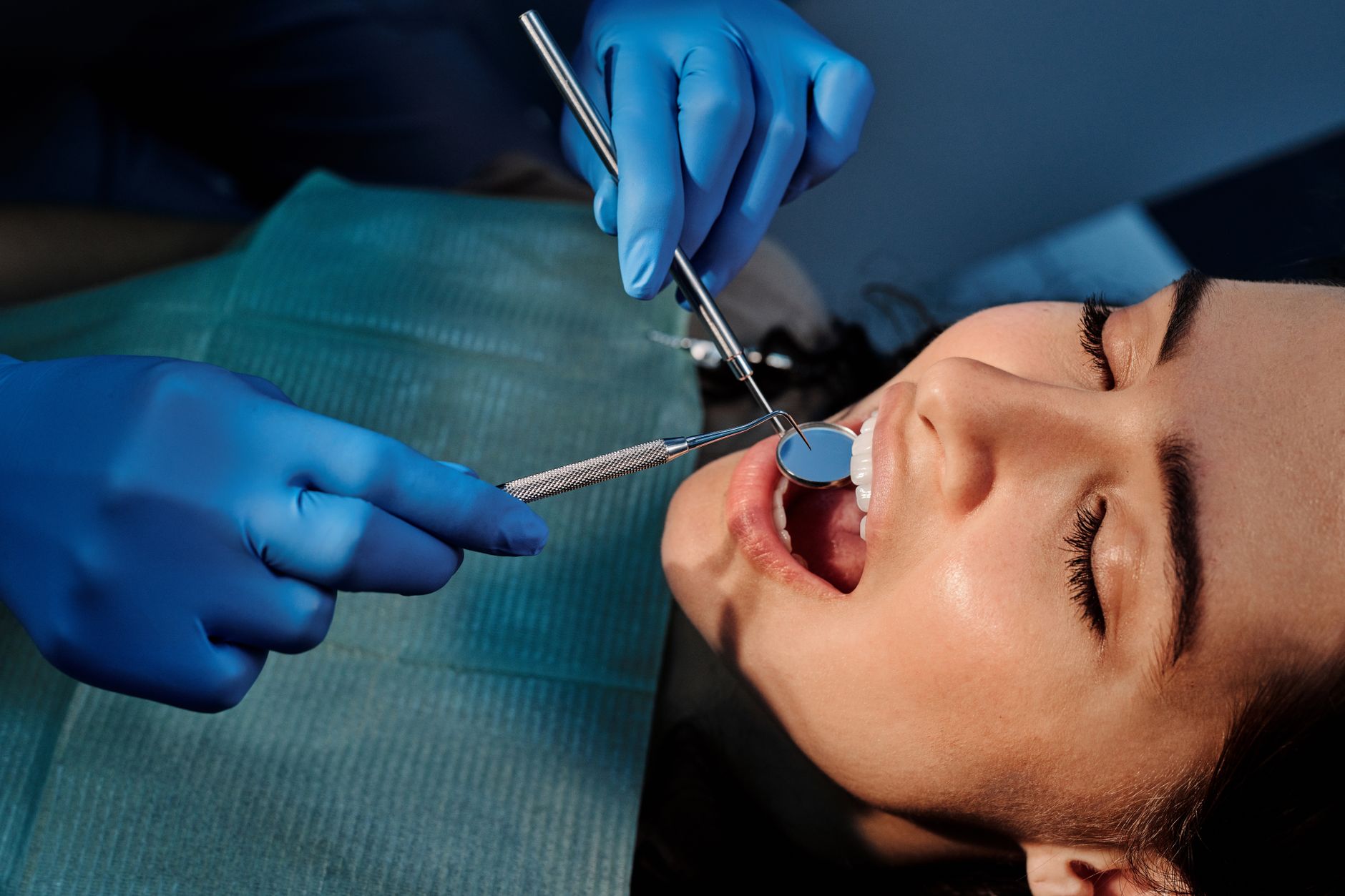
Board certification from the American Board of Orthodontics requires passing rigorous exams. These exams go beyond dental school and a three-year residency. In West Covina, choosing a board-certified orthodontist means your provider has demonstrated measurable, peer-reviewed clinical excellence, not just completed minimum licensing requirements.
What Board Certification Actually Means for an Orthodontist
Board certification is not the same as holding a dental license. The American Board of Orthodontics (ABO) issues this credential separately, and earning it demands far more than completing school and passing a state exam. Candidates must pass a written qualifying exam first. Then they submit records from actual treated patients. Finally, they defend clinical decisions before expert examiners. Examiners evaluate diagnosis accuracy, treatment mechanics, finishing quality, and long-term stability using objective outcome metrics including overjet, overbite, tooth alignment, and occlusal fit. Candidates who fall short must resubmit. There is no automatic pass. This peer-review structure mirrors accountability standards in surgery and cardiology. It adds an extra layer of verification that state licensing does not provide. At One Smile Orthodontics, we apply this same peer-review accountability to every patient case, ensuring that Dr. Kim's clinical decisions undergo the rigorous evaluation standards that board certification demands. That gap represents a meaningful differentiator for patients in West Covina and the broader San Gabriel Valley.
How Board Certification Differs from a State License
A California state license is the legal floor, not a quality ceiling. Obtaining a license confirms that an orthodontist completed an accredited program and passed a clinical board exam, but it does not evaluate the outcomes of real patients treated in practice. A licensed provider may have never had their actual results reviewed by an independent peer. Board certification changes that entirely. The ABO requires candidates to present complete treated case records and defend every clinical decision, from diagnosis through finishing, before examiners who grade on objective metrics. This means a board-certified orthodontist in West Covina has had their real-world judgment independently validated, not just their academic knowledge tested. That distinction matters most when your case involves a complex bite correction, a growing child's skeletal development, or an adult with multiple compounding issues. Board certification suggests a higher standard of expertise and self-assessment that a license alone cannot signal.
What the ABO Clinical Examination Evaluates
The ABO's examination structure goes well beyond multiple-choice testing. At the clinical examination stage, candidates no longer submit their own case records; since February 2019, the ABO has administered a scenario-based examination in which the Board provides patient cases covering a variety of problems and patients, and candidates are assessed on diagnosis, treatment planning, implementation, and outcomes analysis. Examiners score cases on quantifiable standards. Subjective impressions do not factor in. If a case does not meet the grading threshold, the candidate must resubmit with additional evidence. Maintaining certification also requires ongoing rigor: renewal must occur every 10 years (americanboardortho.com), and the renewal process includes completing 12 continuing education credits from peer-reviewed AJO-DO or AJO-DO Clinical Companion exams, plus one of two exam options — either an online Board Case Examination (50–60 questions, 70–90 minutes depending on the form assigned) or a mail-in Case Report Examination submitting one treated clinical case with a Discrepancy Index of 10 or greater (americanboardortho.com). That ongoing accountability separates board-certified providers from those who earned their license decades ago and never submitted their outcomes for outside review.
Why Board Certification Directly Affects Your Treatment Outcome
Certification is not a trophy on the wall. It is a functional quality signal with direct consequences for the care you receive. Board-certified orthodontists have had their clinical judgment independently validated across multiple case types before examiners who compare results against objective benchmarks. This reduces the risk of misdiagnosis, poor treatment planning, and preventable complications. High-volume dental service organizations and direct-to-consumer aligner companies often route treatment through software algorithms or delegate clinical decisions to staff, bypassing the individualized diagnosis that board certification demands. That market growth has also increased the number of providers offering orthodontic services without specialist-level training. A board-certified orthodontist assesses bone density, gum health, airway function, and bite mechanics before recommending any appliance, which protects against root resorption, relapse, and incomplete treatment. In our experience, this comprehensive pre-treatment assessment has prevented complications and improved long-term stability for our West Covina patients across all age groups and treatment modalities. This is especially critical for complex bite corrections where a template-based protocol fails to account for individual skeletal and dental variation.
How Board Certification Protects Children Receiving Early Intervention
The American Association of Orthodontists recommends a child's first orthodontic evaluation by age 7, when active growth can be guided most effectively. Early intervention orthodontics requires accurate skeletal and dental diagnosis, exactly the area heavily tested in ABO certification. A board-certified orthodontist is trained to identify issues that a general dentist or non-certified provider might overlook entirely, including jaw discrepancies, crossbites, and airway problems related to mouth breathing and tongue posture. Airway orthodontics, which addresses mouth breathing, disrupted sleep, and potential sleep-disordered breathing in children, demands advanced diagnostic training and careful treatment sequencing. For families in West Covina seeking care for a young child, board certification in the treating orthodontist is one of the strongest assurances that the provider can distinguish between a child who needs early treatment and one who simply needs monitoring.
Does Certification Matter for Invisalign and Adult Treatment
Adult orthodontics is growing fast. Clear aligners and Invisalign West Covina patients often assume the software plans the treatment, reducing the importance of the provider. That assumption is wrong. Invisalign requires the same biomechanics expertise as traditional braces. The aligner software executes a plan, but a clinician must design that plan accurately, accounting for tooth movement physics, root position, and bite function. A board-certified orthodontist evaluates every relevant factor before prescribing treatment, reducing the probability of mid-course corrections, extended timelines, or relapse. Adults with sleep apnea, crowding, or complex bite issues benefit most from that level of individualized planning.
| Feature | Board-Certified Orthodontist | Non-Certified Provider |
|---|---|---|
| Clinical outcomes reviewed by peers | Yes | No |
| Voluntary exam beyond state license | Yes | No |
| Ongoing recertification required | Every 10 years | Not required |
| Complex case training evaluated | Yes | Not independently verified |
| Airway and skeletal diagnosis | Advanced training | Variable |
| Invisalign treatment planning depth | Biomechanics-based | Software-dependent |
How to Verify an Orthodontist's Board Certification in West Covina
Verification takes less than five minutes and should happen before your first consultation. The ABO maintains a public orthodontist locator at americanboardortho.com/patients/orthodontist-locator/, where users can search for board-certified orthodontists by zip code; mylifemysmile.org is the AAO's separate consumer website. This is the definitive third-party verification resource, and it is free to use. Social media pages and Google Business profiles can display credentials without verification, so do not rely on them alone. Look specifically for the ABO seal or the designation "Diplomate, American Board of Orthodontics" on the practice's website and in the physical office. When you call to schedule, ask the front desk directly whether the treating orthodontist is ABO board-certified. A certified practice will answer immediately and can provide documentation. Also confirm that the board-certified doctor, not a supervising or rotating associate, is the provider who will personally treat you at each appointment. Finally, verify that the orthodontist completed an accredited orthodontic residency after dental school, which is a prerequisite for the ABO certification process.
Red Flags West Covina Patients Should Watch For
Not every orthodontic office operates at the same standard. Watch for offices where patients rotate among multiple providers without building a relationship with one certified doctor. Be cautious when treatment plans are generated primarily by software or staff, with minimal direct physician involvement at the diagnostic stage. If a practice website does not list ABO certification or the provider's name does not appear in the ABO directory, that is a meaningful gap. Unusually short consultation appointments that skip diagnostic records such as X-rays and photographs are another warning sign. Full diagnostic records are not optional; they are how a legitimate orthodontic specialist designs an accurate treatment plan. Be skeptical of offices that immediately push a single treatment option without discussing alternatives or explaining why that option suits your specific case. In a diverse community like West Covina and the wider San Gabriel Valley, patients also deserve clear communication about their options, not a rush toward the most profitable protocol.
What Board-Certified Care Looks Like at One Smile Orthodontics in West Covina
At One Smile Orthodontics, Dr. Namgu Kim personally designs and oversees every treatment plan for every patient. Dr. Kim is a board-certified orthodontist, meaning his clinical outcomes have passed independent peer review by ABO examiners, not just the baseline requirements of a California dental license. Patients in West Covina receive treatment options including traditional braces, Invisalign, and airway orthodontics for children, teens, and adults. The doctor-led, one-on-one care model means you work with the same certified specialist at every appointment, from the initial consultation through retention. Contact One Smile Orthodontics directly at (626) 388-2621 or visit onesmileorthodontics.com to confirm which insurance plans are currently accepted, making board-certified orthodontic care accessible to families across a wide range of income levels in the San Gabriel Valley. The practice is built around aesthetic precision alongside functional correction, aiming for results that go well beyond minimum alignment standards. For patients who have felt rushed or overlooked at high-volume offices, that distinction is tangible from the first visit.
How the Doctor-Led Model Differs from High-Volume Orthodontic Offices
High-volume dental service organizations often assign multiple orthodontists to a single patient's case or delegate clinical monitoring to dental assistants. Treatment adjustments may happen without the supervising doctor directly reviewing current records. This creates continuity gaps that matter most in complex cases, where teeth respond differently than predicted and the treatment plan needs real-time recalibration. At One Smile Orthodontics, Dr. Kim reviews every diagnostic record, sets every treatment objective, and monitors progress at each adjustment appointment. Patients and parents can ask clinical questions directly to the doctor who designed the plan. This is not a minor convenience. It is a structural difference that affects outcomes. Consider a specific scenario: a West Covina teenager in Invisalign treatment whose upper molars are not tracking as planned. In a high-volume DSO, that issue might go unnoticed until the next software check-in. With a doctor-led model, Dr. Kim identifies the discrepancy at the next appointment, adjusts the mechanics, and prevents weeks of wasted progress. That kind of real-time clinical oversight is what board-certified, doctor-led orthodontic care actually delivers.
Making an Informed Orthodontic Decision in West Covina
Board certification is the highest-confidence external signal available to orthodontic patients. Combine credential verification through the ABO public directory with a consultation that includes full diagnostic records before committing to any treatment plan. Ask about the orthodontist's specific experience with your case type: early intervention for a young child, adult Invisalign, airway and sleep apnea orthodontics, or complex bite correction. Confirm your PPO insurance or Medi-Cal coverage and out-of-pocket costs before signing any treatment agreement. Financial pressure should never push a family in West Covina toward a less-qualified provider. A beautiful, stable smile requires a correct diagnosis first. Certification is the best external proof that the diagnosis is reliable. Results speak for themselves. Choose accordingly.
Frequently Asked Questions
How do I check if an orthodontist in West Covina is board-certified?
Is board certification required to practice orthodontics in California?
What percentage of orthodontists are board-certified in the United States?
Does board certification mean the orthodontist is better at Invisalign?
What is airway orthodontics, and why does it require a board-certified specialist?
At what age should my child see a board-certified orthodontist for the first time?
Does One Smile Orthodontics accept Medi-Cal or PPO insurance for braces and Invisalign?
What is the difference between a board-certified orthodontist and a general dentist who offers braces?
What is board certification for orthodontists?
How can I verify an orthodontist's credentials in West Covina?
Is a board-certified orthodontist better for braces or Invisalign?
What questions should I ask before choosing an orthodontist?
Are there board-certified orthodontists near West Covina?
Sources & References
- American Board of Orthodontics: HomeABO (opens in a new tab)[org]
- The Right Time: When Should Your Child See an Orthodontist? | American Association of Orthodontists (opens in a new tab)[factcheck]
- American Board of Orthodontics: Update on the new scenario-based clinical examination - PubMed (American Journal of Orthodontics and Dentofacial Orthopedics, June 2019) (opens in a new tab)[factcheck]
About the Author
One Smile Orthodontics
One Smile Orthodontics is a West Covina practice led by Dr. Namgu Kim, offering board-certified expertise in braces, Invisalign, and airway orthodontics for all ages.
Learn more at www.onesmileorthodontics.com → (opens in a new tab)Related Posts

7 Foods You Cannot Eat With Braces (And What to Eat Instead)
Braces are a significant investment in your smile, and what you eat can make or break your progress. This guide covers the 7 most damaging foods to avoid during orthodontic treatment, explains exactly why they cause problems, and offers delicious safe alternatives so you never feel deprived.
14 min read
Lingual Braces vs. Invisalign: Which Is Better for Adults Who Want Hidden Treatment?
Both lingual braces and Invisalign offer nearly invisible orthodontic treatment for adults, but they work very differently and suit different cases. This comparison breaks down cost, comfort, effectiveness, and lifestyle fit so you can choose the right hidden treatment for your smile goals.
9 min read
How to Keep Teeth Clean With Braces: A Step-by-Step Brushing and Flossing Guide
Keeping teeth clean with braces requires more effort than regular brushing, but the right technique makes it manageable. This step-by-step guide covers brushing angles, flossing methods, and the tools that protect your smile while you straighten it.
13 min read