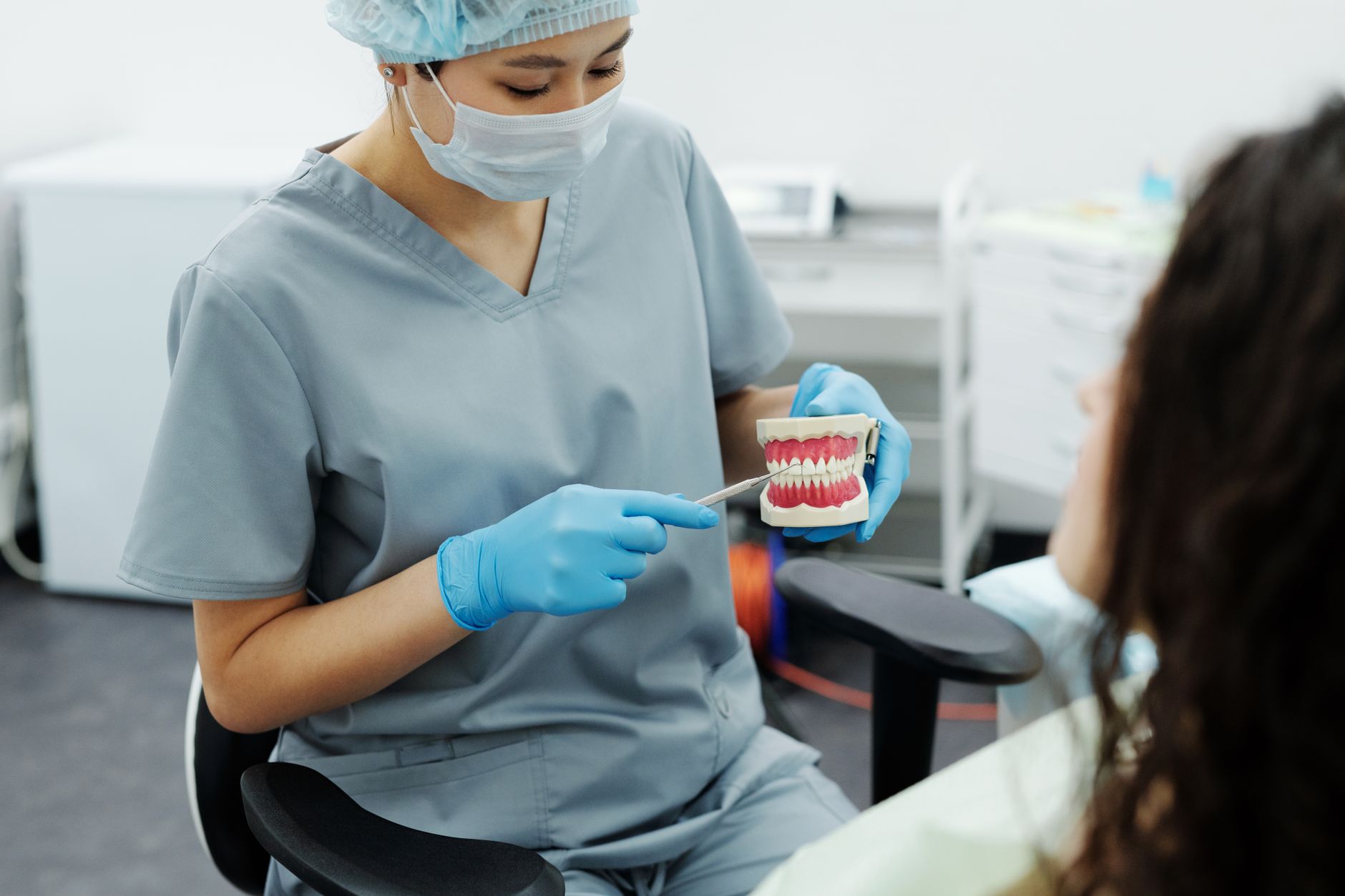
To choose the right orthodontist, confirm they are board-certified by the American Board of Orthodontics, personally oversee every treatment plan, and offer options including braces, Invisalign, and airway orthodontics. Ask about costs, insurance acceptance, and how the consultation is structured. These 10 targeted questions protect you from impersonal, high-volume practices.
Why Choosing the Right Orthodontist Matters More Than Most People Realize
Orthodontic treatment is not a commodity purchase. Getting that choice wrong carries real consequences: bite problems that weren't corrected, relapse that undoes alignment gains, or missed developmental issues in a child that were never screened. Research indexed on PubMed suggests that patient preferences for orthodontic providers vary widely, with some studies finding roughly half of respondents preferring an orthodontic specialist and a smaller share opting for a general dentist for tooth movement (pubmed.ncbi.nlm.nih.gov). That gap reflects how much confusion the rise of direct-to-consumer aligner brands and large dental service organizations has created. Patients in the San Gabriel Valley and throughout the West Covina, CA area face that same confusion, with dozens of offices competing for attention. The stakes are especially high for growing children: the American Association of Orthodontists recommends a first early orthodontic evaluation by age 7, precisely because developmental problems caught early are far easier and less costly to correct. Choosing wrong is not just a minor inconvenience. It can mean years of retreatment.
What Is the Difference Between an Orthodontist and a General Dentist Offering Braces?
The distinction matters and it is more significant than most patients realize. An orthodontic specialist completes a CODA-accredited residency of 2 to 3 years after dental school, focused exclusively on tooth movement, jaw alignment, and bite correction. General dentists can legally offer braces or clear aligners but receive no specialty training in complex case management. Board certification through the American Board of Orthodontics is an additional voluntary step that requires passing rigorous written and clinical examinations beyond the specialty license itself. When you choose a board-certified orthodontist over a general dentist offering weekend braces, you are choosing someone who has demonstrated clinical excellence, not just legal eligibility.
Why Doctor-Led Care Matters in Orthodontics
High-volume dental service organizations often operate with a model where an orthodontist briefly reviews digital records while assistants handle most patient interactions. That model may be efficient, but it is not personalized. In doctor-led practices, the same specialist designs the treatment plan, makes every clinical adjustment, and monitors progress at each appointment. The difference shows up in outcomes and in patient experience. That gap is widest in high-volume settings where patients rarely see the same doctor twice. At One Smile Orthodontics, we have found that patients who receive consistent, doctor-directed care arrive at appointments with more confidence and far fewer mid-treatment surprises. We recommend asking about doctor involvement at every stage because it directly impacts treatment outcomes and your overall experience throughout the 18 to 36 month journey. Personalized oversight reduces errors and produces aesthetic outcomes that go beyond functional alignment alone.
The 10 Essential Questions to Ask an Orthodontist Before Starting Treatment
Preparing specific questions before your orthodontic consultation is one of the most effective steps you can take. It shifts the dynamic from a sales conversation to a clinical evaluation. Patients who ask structured questions are better positioned to compare practices objectively and avoid committing to a plan that does not align with their goals or budget. These 10 questions apply to parents choosing care for a child, teenagers deciding between braces and Invisalign treatment, and adults in West Covina pursuing discreet or airway-focused options. They cover the full range of what matters: credentials, clinical philosophy, technology, financing, and communication.
Questions 1-3: Credentials, Experience, and Treatment Philosophy
Start with the fundamentals before anything else.
Question 1: Are you board-certified by the American Board of Orthodontics? Board certification is voluntary and meaningful. The ABO Diplomate designation means the orthodontist has passed a two-phase examination process evaluating their actual patient cases against rigorous clinical standards, not just a licensing exam. Asking this question directly tells you immediately whether the practice meets the specialty's highest standard.
Question 2: How many years have you been practicing, and what percentage of your cases are similar to mine? Experience with your specific case type, whether pediatric, adult, complex bite correction, or airway-related, matters more than total years in practice. An orthodontist who primarily treats simple teen cases may not be the right fit for an adult with a significant skeletal discrepancy.
Question 3: Who designs and monitors my treatment plan? This is the question many patients forget to ask. In DSO-style practices, treatment planning is sometimes delegated to assistants or driven by software algorithms with minimal physician review. You want a clear answer: the doctor designs the plan and sees you at every appointment.
Questions 4-6: Treatment Options, Technology, and Airway Awareness
These questions reveal the clinical depth of the practice.
Question 4: What treatment options do you offer, and how will you decide which is right for my case? A qualified orthodontist recommends based on clinical need and your goals, not on which appliance generates the highest margin. If a practice offers only one option, ask why.
Question 5: Do you use digital imaging, 3D scanning, or cone beam CT technology? Advanced imaging improves diagnostic accuracy and reduces radiation exposure compared to traditional X-rays. iTero digital scanning, for example, eliminates messy impressions and produces precise 3D models that improve Invisalign and braces outcomes alike.
Question 6: Do you screen for airway issues, mouth breathing, or sleep-disordered breathing? This question is especially critical for parents of young children in the early orthodontic evaluation stage. Untreated airway problems affect sleep quality, growth patterns, and cognitive development. Not every orthodontist screens for these issues. The ones who do are practicing a broader and more preventative standard of care.
Questions 7-10: Cost, Insurance, Communication, and Timeline
Financial transparency and realistic expectations separate trustworthy practices from high-pressure ones.
Question 7: Do you accept my PPO insurance or Medi-Cal, and what is my estimated out-of-pocket cost? Get a written estimate. Medi-Cal covers orthodontic treatment for California children who meet medical necessity criteria. Knowing your out-of-pocket cost upfront prevents the most common source of mid-treatment conflict.
Question 8: What are your payment plan options and financing terms? Most practices offer in-house financing. Ask specifically whether the plan is interest-free and what the down payment requirement looks like. Orthodontic payment plans typically spread the remaining balance over the course of treatment, often 18 to 24 months.
Question 9: How long will my treatment take, and what is included in the quoted fee? Timelines vary significantly by case type. Simple crowding cases with Invisalign may resolve in 12 months. Complex bite corrections with traditional braces can run 24 to 36 months. Realistic timelines, not promises that sound too perfect, are a mark of clinical honesty. Ask specifically whether refinements and retainers are included in the fee.
Question 10: Can I see before-and-after photos of cases similar to mine? Aesthetic outcomes vary significantly between practitioners. A portfolio of real cases, not stock photos, is a legitimate and important evaluation tool. Any practice confident in its results will share them willingly.
How to Evaluate Orthodontic Treatment Options: Braces, Invisalign, and Airway Orthodontics
Not every appliance is right for every patient, and choosing the wrong one for a complex case can extend treatment time, compromise results, or leave underlying issues unaddressed. The table below compares the four primary treatment modalities across the factors that matter most to patients and families. Use it as a starting framework, then apply it to your specific clinical situation during your orthodontic consultation.
| Factor | Traditional Metal Braces | Clear Ceramic Braces | Invisalign | Lingual Braces |
|---|---|---|---|---|
| Visibility | Highly visible | Less noticeable | Nearly invisible | Hidden behind teeth |
| Best For | Complex cases, children, teens | Moderate cases, aesthetics-conscious patients | Mild-to-moderate cases, adults, compliant teens | Adults requiring maximum discretion |
| Average Cost (US) | $3,000-$7,000 | $4,000-$8,500 | $3,500-$8,500 | $8,000-$13,000 |
| Removability | No | No | Yes (must wear 20-22 hrs/day) | No |
| Comfort Level | Moderate (wire irritation possible) | Moderate (brackets slightly larger) | High (smooth plastic trays) | Lower initially (tongue adjustment needed) |
| Treatment Duration | 18-24 months (up to 36 for complex cases) | 18-30 months | 6-18 months (complex cases up to 24 months) | 18-36 months |
| Airway/Expansion Compatibility | Yes | Yes | Limited; may require supplemental appliances | Yes |
What Is Airway Orthodontics, and Is It Right for My Child?
Airway orthodontics addresses the structural causes of mouth breathing, narrow palates, and sleep-disordered breathing in growing children. This is not a fringe approach. The American Academy of Dental Sleep Medicine has published guidance addressing orthodontic interventions — including expansion orthodontics and myofunctional devices — in the context of obstructive sleep apnea, while noting that the evidence base for these therapies continues to evolve. Children who consistently mouth breathe often develop narrow palatal arches and longer facial growth patterns. Left untreated, these patterns become harder and more invasive to correct as skeletal growth completes. Appliances like palatal expanders and myofunctional devices, used alongside traditional braces for teens or early orthodontic treatment, can redirect growth in ways that benefit airway function, sleep quality, and long-term facial aesthetics. The appropriate timing for these interventions depends on the specific appliance, the child's skeletal maturity, and individual clinical factors, which is why an early orthodontic evaluation is essential for determining the right window for your child. Waiting until all adult teeth have erupted closes the most effective treatment window. Parents in West Covina who suspect their child mouth breathes, snores heavily, or struggles with daytime fatigue should raise these concerns specifically during their first orthodontic evaluation rather than waiting for a pediatrician to refer.
How Do You Choose Between Braces and Invisalign for Your Specific Case?
The honest answer is that it depends on the case, not on marketing. Invisalign has advanced significantly and now handles a broader range of clinical scenarios than it did a decade ago, including certain bite corrections previously limited to braces. But traditional braces still offer superior control for severe crowding, significant skeletal discrepancies, and cases requiring precise tooth torquing that clear aligners struggle to reliably deliver. Teen compliance is a real factor. Removability is simultaneously a benefit and a clinical risk for patients who lack consistent discipline. Cost differences between the two modalities have narrowed considerably; many practices in California now price them comparably. A board-certified orthodontist should offer both and explain the clinical rationale for their recommendation based on your specific bite, not default to whichever is easier to sell. In our experience, the right treatment choice emerges from a detailed clinical evaluation of your unique case, which is why we discuss the specific advantages and limitations of each option before making a recommendation. A recommendation based on your specific bite and goals is what separates a clinical consultation from a pitch.
Understanding Orthodontic Costs, Insurance, and Financing Before You Commit
Cost confusion is one of the most common reasons patients delay orthodontic care or choose a practice poorly suited to their needs. California's Medi-Cal program covers orthodontic treatment for children who meet medical necessity criteria, making specialist-level care accessible to families across income levels. Flexible Spending Accounts and Health Savings Accounts can also be used to pay for orthodontic treatment with pre-tax dollars, effectively reducing the net cost. Confirm at your consultation what is included in the quoted fee: retainers, refinements, and mid-treatment adjustments are sometimes itemized separately and can add meaningful cost if not clarified upfront. Some practices also offer a family discount when multiple family members are in treatment simultaneously, which is worth asking about directly.
What Should You Expect to Pay Out of Pocket for Orthodontic Treatment?
Out-of-pocket cost is the quoted treatment fee minus your insurance benefit minus any pre-tax account contributions. Let's assume a family with a $1,500 PPO orthodontic maximum is quoted $5,500 for Invisalign treatment. That structure is typical for orthodontic payment plans. Getting a written, itemized fee schedule at your consultation is standard practice and any reputable office will provide one without hesitation.
Red Flags to Watch for When Evaluating an Orthodontic Practice
Knowing what to avoid is as important as knowing what to look for. High-pressure same-day sign-up tactics are the single most reliable warning sign of a sales-driven rather than care-driven practice. A good first visit should leave you with clear answers, not pressure. You should walk out of a consultation with a written treatment proposal, a cost estimate, and the confidence to go home and think it over. Practices that push for same-day commitment before you have reviewed anything in writing are prioritizing their conversion rate over your informed consent. Treatment promises that sound unrealistic are another red flag. No ethical orthodontist guarantees a specific result in a specific timeframe without first completing a thorough diagnostic workup including records, X-rays, and photographs. If you hear blanket promises like "six-month smiles for everyone" without a clinical rationale tied to your specific case, be skeptical. Practices that offer only one treatment option without explaining why, provide vague answers about total costs or retainer fees, or cannot identify which doctor will be managing your case should raise serious concern. Poor communication before you even become a patient reliably predicts the experience during treatment.
How Do You Know If an Orthodontic Practice Is the Right Fit for Your Family?
A practice that is the right fit will answer all 10 questions from this guide clearly, without deflection, during the consultation. The appointment should feel educational rather than transactional. The doctor should spend meaningful time reviewing your specific records, not delegate the entire conversation to a treatment coordinator. Staff should be able to explain your insurance benefits and payment options clearly. Visiting the office before committing lets you assess cleanliness, equipment quality, and the general culture of care. Reading verified patient reviews on Google, specifically looking for mentions of consistent doctor involvement and personalized attention, gives you useful signal about the real experience. That gap does not happen by accident. It reflects the compounding effect of every interaction, from how the phone is answered to how the orthodontist explains a treatment plan at your first appointment.
Frequently Asked Questions
At what age should my child have their first orthodontic evaluation?
Is Invisalign as effective as braces for complex cases?
Does dental insurance cover orthodontic treatment for adults?
What is airway orthodontics and how is it different from regular orthodontic treatment?
How long does orthodontic treatment typically take for a teenager?
Can adults get braces or Invisalign even if they had orthodontic treatment as a child?
What happens if I am unhappy with my orthodontic results mid-treatment?
How do I verify that an orthodontist is board-certified by the American Board of Orthodontics?
What is the difference between an in-network and out-of-network orthodontist for insurance purposes?
What 10 questions should I ask an orthodontist first?
How do I compare orthodontists and treatment plans?
What credentials should I look for in an orthodontist?
What questions should adults ask at an orthodontic consult?
How do I know if an orthodontist is right for my budget?
Sources & References
- June 2025 Results: Certified/Recertified Orthodontists - American Board of Orthodontics (opens in a new tab)[org]
- Patient Satisfaction in 2026: Closing the 28-Point Gap - PatientDesk.ai (opens in a new tab)[industry]
- Comparison of patient factors influencing the selection of an orthodontist, general dentist, or direct-to-consumer aligners - PubMed (opens in a new tab)[edu]
- Findings from the 2025 Orthodontic Practice Survey - Orthodontic Products Online (opens in a new tab)[industry]
- Predictors for long-term relapse of orthodontic treatment in patients with cleft lip and palate - Springer Nature (opens in a new tab)[edu]
- Child Orthodontics | American Association of Orthodontists (opens in a new tab)[factcheck]
- Medi-Cal Dental Provider Handbook – Section 9: Special Programs (DHCS, CA.gov) (opens in a new tab)[factcheck]
- Benefits of Early Orthodontics: Why Start Treatment Early? | American Association of Orthodontists (opens in a new tab)[factcheck]
- HSA and FSA for Braces: Your Guide to Tax-Free Orthodontics – American Association of Orthodontists (opens in a new tab)[factcheck]
- How Do Braces Work? | American Association of Orthodontists (opens in a new tab)[factcheck]
About the Author
One Smile Orthodontics
One Smile Orthodontics is a West Covina practice led by Dr. Namgu Kim, offering board-certified expertise in braces, Invisalign, and airway orthodontics for all ages.
Learn more at www.onesmileorthodontics.com → (opens in a new tab)Related Posts

7 Foods You Cannot Eat With Braces (And What to Eat Instead)
Braces are a significant investment in your smile, and what you eat can make or break your progress. This guide covers the 7 most damaging foods to avoid during orthodontic treatment, explains exactly why they cause problems, and offers delicious safe alternatives so you never feel deprived.
14 min read
Lingual Braces vs. Invisalign: Which Is Better for Adults Who Want Hidden Treatment?
Both lingual braces and Invisalign offer nearly invisible orthodontic treatment for adults, but they work very differently and suit different cases. This comparison breaks down cost, comfort, effectiveness, and lifestyle fit so you can choose the right hidden treatment for your smile goals.
9 min read
How to Keep Teeth Clean With Braces: A Step-by-Step Brushing and Flossing Guide
Keeping teeth clean with braces requires more effort than regular brushing, but the right technique makes it manageable. This step-by-step guide covers brushing angles, flossing methods, and the tools that protect your smile while you straighten it.
13 min read