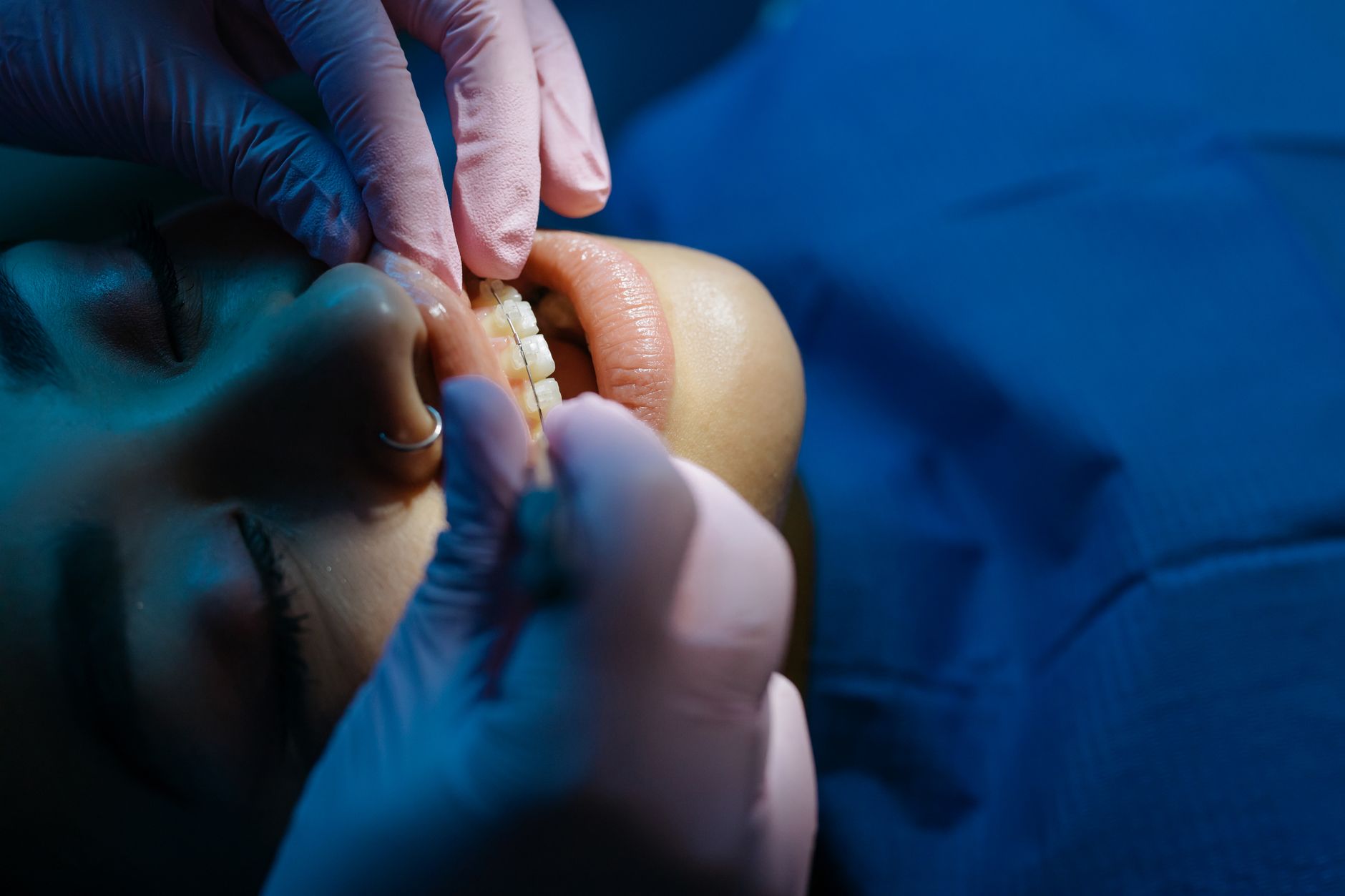
To choose the best orthodontist in West Covina, confirm they are board-certified by the American Board of Orthodontics, offer personalized treatment plans rather than one-size-fits-all protocols, accept your PPO insurance or Medi-Cal, and provide a free consultation. Doctor-led practices where one specialist oversees every case consistently deliver superior aesthetic and clinical outcomes.
What Does Board Certification Actually Mean for Orthodontists?
Board certification is the single most meaningful credential you can verify before choosing an orthodontist in West Covina or anywhere in the San Gabriel Valley. The American Board of Orthodontics (ABO) awards certification only after a candidate completes an accredited 2-3 year orthodontic residency program and then passes rigorous written and clinical case examinations that evaluate real patient outcomes. This is voluntary. No state requires it. That distinction matters because it separates orthodontists who have chosen to be held to a higher clinical standard from those who have not. Board-certified orthodontists must meet ongoing recertification requirements unless they hold lifetime certification, meaning a board-certified doctor's knowledge stays current with evolving techniques. When you confirm your treating doctor holds ABO status, you are confirming they have submitted patient cases for independent peer review and passed. That is not a minor distinction. Credentials speak louder than advertising. A flashy billboard matters less than verified clinical achievement, and patients who understand that find better outcomes.
Board-Certified Orthodontist vs. General Dentist Offering Braces: What Is the Difference?
A general dentist can legally place braces or prescribe clear aligners in California after completing short continuing education courses, sometimes as brief as a weekend seminar. That is legal. It is not the same as specialist training. An orthodontic specialist completes an additional two to three years in a residency program accredited by the Commission on Dental Accreditation (CODA), with approximately 3,700 hours of dedicated training focused exclusively on tooth movement, jaw development, skeletal growth, and facial aesthetics. For a straightforward adult case with mild crowding, the gap between a generalist and a specialist may be narrow. For a child with a developing crossbite, a teen with severe crowding, or an adult with a bite discrepancy affecting jaw function, the difference is clinically significant. Always verify credentials directly at the ABO website or through the American Association of Orthodontists (AAO) member directory at mylifemysmile.org before committing to treatment. Ask directly: is the treating doctor an ABO board-certified orthodontic specialist, or a general dentist offering orthodontic services as part of a broader dental menu?
How to Evaluate Treatment Options: Braces, Invisalign, and Airway Orthodontics
A qualified West Covina orthodontist should present you with a genuine clinical comparison of treatment options, not steer every patient toward one product. That range demands different solutions. Traditional braces remain the gold standard for complex bite corrections, severe crowding, significant jaw discrepancies, and growing children where precise force control over years of facial development is needed. Invisalign and other clear aligner therapy options are highly effective for mild to moderate cases and have become the dominant choice for adults seeking discreet treatment. The best orthodontist will explain your options, timelines, and trade-offs clearly, using diagnostic records rather than a sales script to justify every recommendation.
Why Does Airway Orthodontics Matter for Children in West Covina?
Airway orthodontics is a growing subspecialty that addresses the structural relationship between jaw development, palate width, airway dimensions, and breathing patterns. For families in West Covina, this is particularly relevant because children who mouth breathe often develop elongated facial profiles, crowded teeth, and chronic sleep disturbances that worsen without early intervention. Research has linked pediatric sleep-disordered breathing to behavioral issues, poor school performance, and ADHD-like symptoms. Early palate expansion at ages 7 to 10 can create space for permanent teeth and improve nasal airway function, often eliminating the need for extractions or jaw surgery later. An orthodontist trained in airway evaluation will assess lateral cephalometric X-rays, tonsil size, nasal passage width, and daytime breathing habits as part of a comprehensive diagnostic workup. This is not fringe science. It is an evidence-based approach to treating the whole child, not just the teeth. The AAO recommends every child receive a first orthodontic evaluation by age 7 precisely because structural problems are easiest to intercept during active jaw growth.
How Do You Decide Between Braces and Invisalign for Your Specific Case?
The right choice depends on case severity, lifestyle, and compliance capacity. Clear aligners must be worn consistently throughout the day to move teeth according to the digital treatment plan. Remove the trays too often and tooth movement stalls, extending treatment or producing incomplete results. Braces are fixed to the teeth, removing the compliance variable entirely. Teens and adults with mild to moderate crowding or spacing are often strong Invisalign candidates. Children and patients with complex skeletal discrepancies, rotations, or bite corrections typically achieve more precise outcomes with braces. For example, consider a 14-year-old West Covina patient with a moderate overbite and crowding in both arches. That patient would likely benefit more from metal or ceramic braces than from aligners, because the bite correction requires sustained, precisely calibrated forces that fixed appliances deliver more reliably. An experienced orthodontist will show simulated outcome projections for both options and explain trade-offs without pressure.
Insurance, Medi-Cal, and the Real Cost of Orthodontic Treatment in West Covina
Ask any West Covina orthodontic office to run a pre-authorization estimate with your insurer before you sign a treatment agreement. In-network providers have negotiated fee schedules, so confirming in-network status is worth the phone call. California's Medi-Cal Denti-Cal program covers orthodontic treatment for children who meet medical necessity criteria, including significant malocclusion that affects chewing, speech, or oral health. Eligibility is assessed using a Handicapping Labio-lingual Deviation (HLD) score; cases scoring 26 or above generally qualify. Families in West Covina's diverse communities who receive Medi-Cal should ask specifically whether the practice files Denti-Cal claims, because not all practices that accept private insurance also accept Medi-Cal. FSA and HSA accounts can cover orthodontic expenses with pre-tax dollars, effectively lowering net cost by your marginal tax rate. Starting treatment before your plan year resets allows you to collect two benefit cycles during a single multi-year treatment course, a practical strategy worth discussing at your consultation.
How Can You Maximize Insurance Benefits and Minimize Out-of-Pocket Costs?
Coordinating dual insurance coverage is one of the most underused strategies available to West Covina families. If you carry both a primary and a secondary dental plan, the secondary plan may cover a portion of the remaining balance after the primary pays. Ask the orthodontic office billing coordinator to submit to both carriers simultaneously. Some practices also offer in-house family discounts when two or more family members are in active treatment at the same time. Flexible payment plans through third-party lenders or in-house installment programs spread the remaining balance over the treatment period, often with low or zero interest. Beware of any office requiring full payment upfront without a compelling explanation, or one quoting fees dramatically below the regional market range without clarifying why. Unusually low fees sometimes signal shorter treatment timelines, reduced follow-up appointments, or less experienced oversight, none of which serve your long-term result.
Red Flags to Avoid and Green Flags to Look For When Choosing an Orthodontist
Not every orthodontic office in the San Gabriel Valley operates at the same standard. Knowing what to look for protects your investment and your outcome. Red flag: you never meet the treating doctor at your consultation, or a different doctor sees you at every adjustment appointment. Dental service organizations (DSOs) often operate on rotating associate schedules, meaning no single doctor builds familiarity with your case. Red flag: treatment is recommended before a complete diagnostic workup including digital X-rays, photographs, and intraoral scans or dental impressions. A diagnosis without records is a guess. Red flag: the practice cannot or will not show you before-and-after results from cases similar to yours in complexity.
Green flags matter just as much. Look for a practice that uses modern imaging technology, digital panoramic and cephalometric X-rays, 3D cone beam imaging when appropriate, and digital treatment planning software. Practices using current technology offer more precise monitoring throughout your treatment and can catch issues earlier. Look for transparent, written fee estimates before you commit. Look for an orthodontist who offers a no-pressure comprehensive consultation, personally reviews your diagnostic records, and explains all options with honest trade-offs. At One Smile Orthodontics, we build every treatment plan around a thorough clinical diagnosis, not a volume quota. In our experience, this patient-centered approach consistently delivers better long-term stability and aesthetic satisfaction than practices that prioritize treatment volume. The goal is a result that genuinely fits your face and your goals, not a standardized outcome.
Why Does Doctor-Led Care Matter in Orthodontic Practices?
Continuity of care is a clinical quality factor, not just a customer service nicety. In a doctor-led practice, the same orthodontist who created your treatment plan is present at every adjustment appointment and can make real-time decisions based on how your teeth are actually responding. Subtle judgments about tooth torque, midline symmetry, and soft-tissue drape require familiarity with each patient's individual facial anatomy and aesthetic goals. A rotating associate who sees a patient for the first time at appointment 8 of 24 cannot replicate that context. Our team has found that when the same orthodontist oversees your entire treatment course, they catch subtle shifts in tooth movement early and adjust your plan in real time to protect your final result. Office logistics matter too. During a treatment course lasting 18 to 30 months, convenient hours, reliable emergency availability for broken brackets or lost aligners, and easy scheduling directly affect your experience and compliance. Ask explicitly about emergency appointment availability, after-hours contact protocols, and whether the same doctor attends every visit.
Questions to Ask Before Choosing Your West Covina Orthodontist
Preparing specific questions before your consultation transforms a sales meeting into a genuine clinical evaluation. Ask whether the treating doctor is ABO board-certified and whether they will personally supervise every appointment. Ask whether the practice accepts your PPO plan or Medi-Cal, and request a written fee estimate before you sign anything. Ask to see before-and-after photos of cases comparable to yours, including cases with the same bite problem or crowding severity. Before-and-after images should show teeth from multiple angles, including front and side profile views, not just a cropped smile shot. Ask about the retention protocol after active treatment ends: what type of retainer, how long it must be worn, and whether retainer replacement is included in the original fee. These details are rarely volunteered but significantly affect long-term results. Ask what happens if you have a bracket emergency or aligner issue between appointments, and whether the practice has weekend or evening availability for urgent visits.
How Do You Evaluate Before-and-After Results and Patient Reviews?
Google Reviews, Yelp, and Healthgrades each capture different dimensions of patient experience. When reading reviews, look specifically for comments about doctor availability, whether the treating doctor was present at appointments, and whether the final result matched the patient's expectations. Generic five-star reviews with no specifics are less useful than detailed accounts describing the treatment process. On the practice website, before-and-after galleries should include a variety of case types: crowding, spacing, overbite, underbite, crossbite, and adult cases. A gallery featuring only easy cases with minor corrections is a limited data point. Ask whether the practice can connect you with a current or past patient willing to share their experience directly. Practices confident in their outcomes welcome that free orthodontic consultation request.
Frequently Asked Questions
How much does orthodontic treatment cost in West Covina, CA?
Does Medi-Cal cover braces for children in California?
What is the difference between a board-certified orthodontist and a general dentist offering braces?
At what age should my child have their first orthodontic evaluation?
Is Invisalign as effective as braces for adults?
What is airway orthodontics and how do I know if my child needs it?
How do I know if a West Covina orthodontic office accepts my PPO insurance?
Are direct-to-consumer aligners like SmileDirectClub safe alternatives to seeing an orthodontist in person?
How long does orthodontic treatment typically take for teens versus adults?
What should I look for in a West Covina orthodontist if I am an adult who feels self-conscious about getting braces?
How do I verify an orthodontist's California license?
What questions should I ask at a West Covina consultation?
How can I compare braces vs Invisalign costs?
How do I find an orthodontist accepting new patients?
What makes a board-certified orthodontist better?
Sources & References
- American Academy of Sleep Medicine (opens in a new tab)[org]
- Across the Board Blog | ABO (opens in a new tab)[org]
- California Business and Professions Code § 1625 – Dental Board of California (official legislative text) (opens in a new tab)[factcheck]
- Early Orthodontic Care at Age 7: A Path to Cost-Effective Treatment | American Association of Orthodontists (opens in a new tab)[factcheck]
- HANDICAPPING LABIO-LINGUAL DEVIATION (HLD) INDEX CALIFORNIA MODIFICATION — Medi-Cal Dental (DHCS) (opens in a new tab)[factcheck]
- Impact of Maxillary Palatal Expansion on Airway Dimensions and Sleep-Disordered Breathing (PMC/MDPI, January 2026) (opens in a new tab)[factcheck]
- HSA and FSA for Braces: Your Guide to Tax-Free Orthodontics – American Association of Orthodontists (opens in a new tab)[factcheck]
About the Author
One Smile Orthodontics
One Smile Orthodontics is a West Covina practice led by Dr. Namgu Kim, offering board-certified expertise in braces, Invisalign, and airway orthodontics for all ages.
Learn more at www.onesmileorthodontics.com → (opens in a new tab)Related Posts
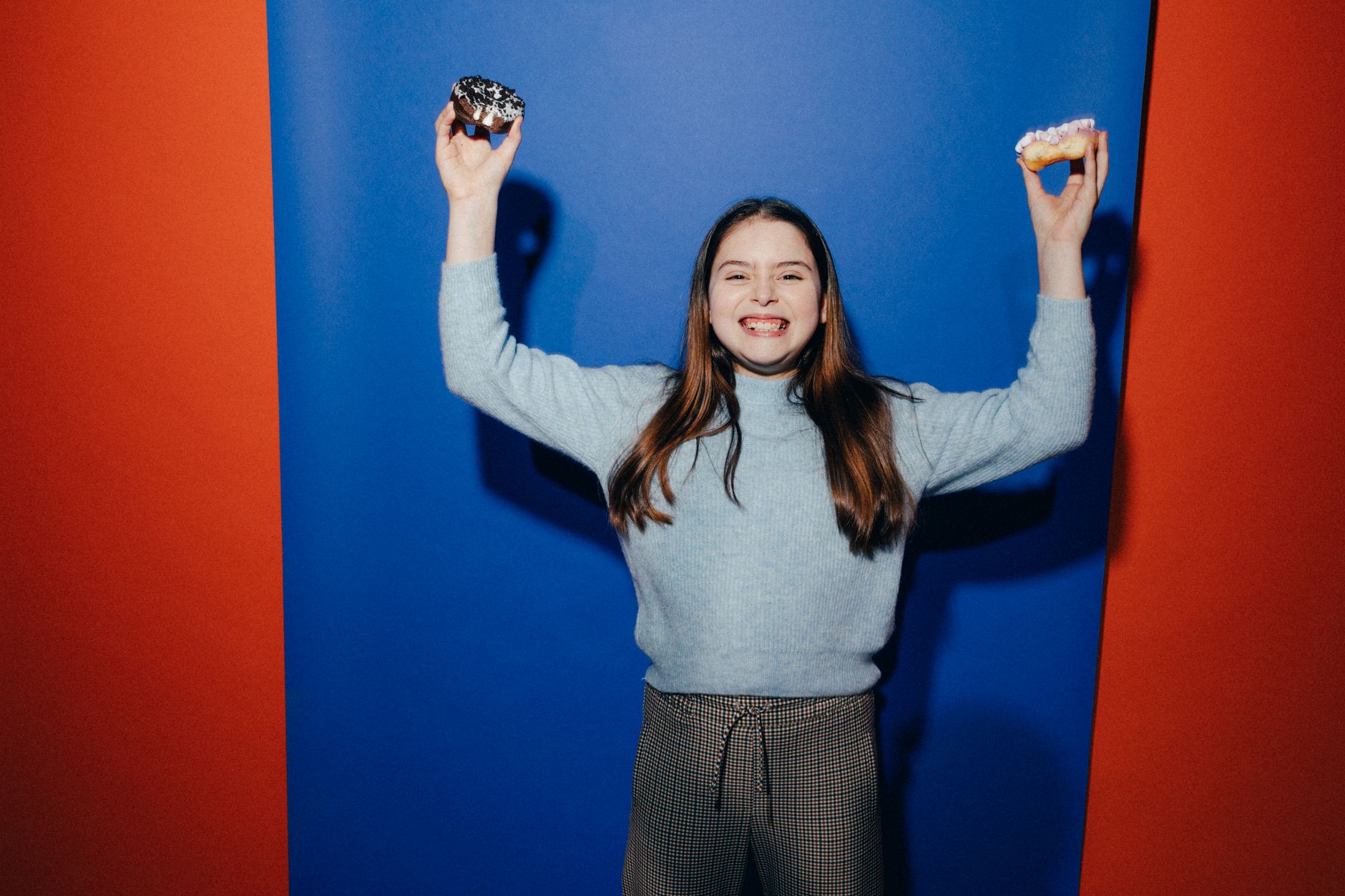
7 Foods You Cannot Eat With Braces (And What to Eat Instead)
Braces are a significant investment in your smile, and what you eat can make or break your progress. This guide covers the 7 most damaging foods to avoid during orthodontic treatment, explains exactly why they cause problems, and offers delicious safe alternatives so you never feel deprived.
14 min read
Lingual Braces vs. Invisalign: Which Is Better for Adults Who Want Hidden Treatment?
Both lingual braces and Invisalign offer nearly invisible orthodontic treatment for adults, but they work very differently and suit different cases. This comparison breaks down cost, comfort, effectiveness, and lifestyle fit so you can choose the right hidden treatment for your smile goals.
9 min read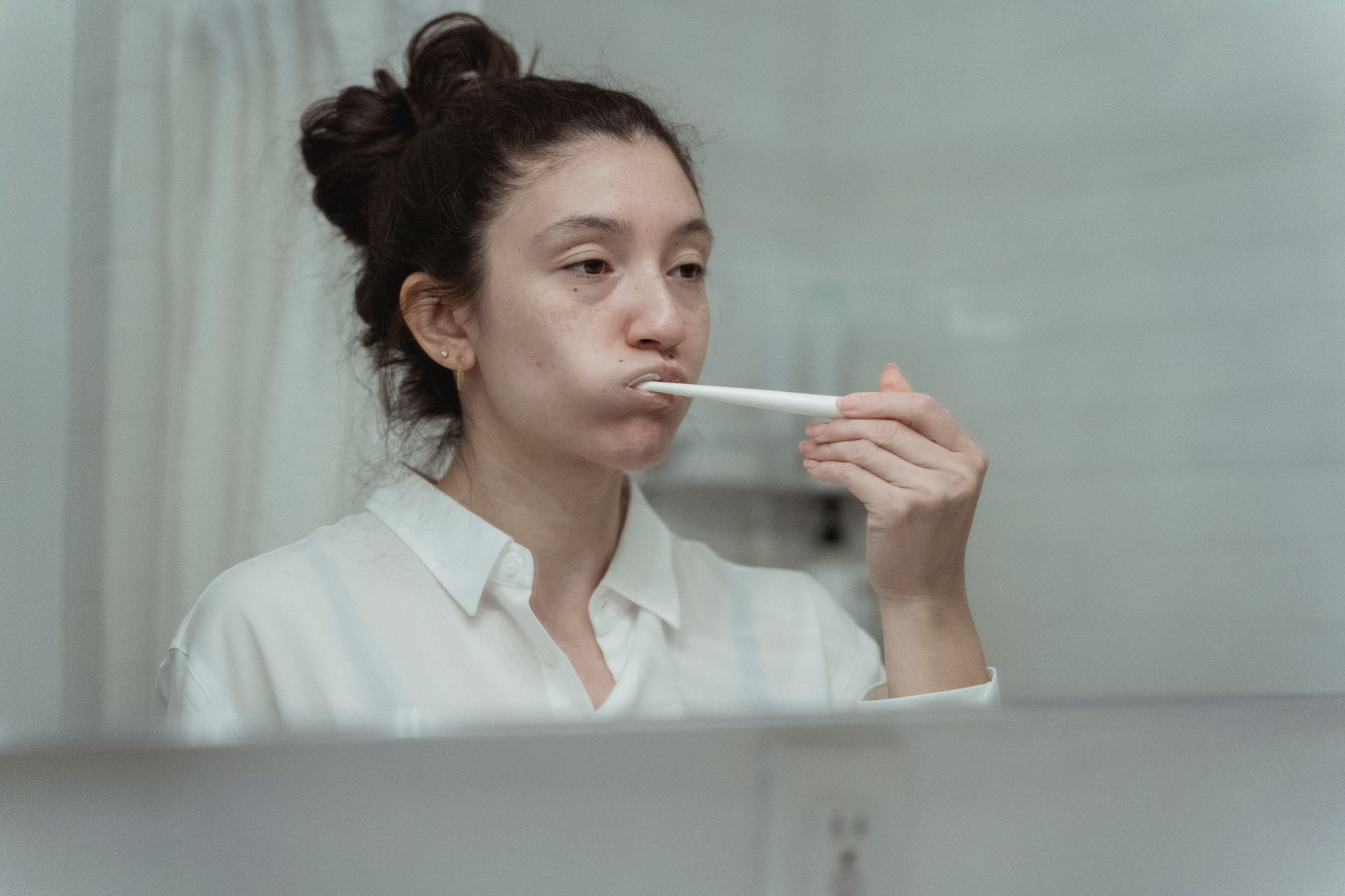
How to Keep Teeth Clean With Braces: A Step-by-Step Brushing and Flossing Guide
Keeping teeth clean with braces requires more effort than regular brushing, but the right technique makes it manageable. This step-by-step guide covers brushing angles, flossing methods, and the tools that protect your smile while you straighten it.
13 min read