They work well for complex cases. It suits mild-to-moderate crowding. Braces require no discipline to work; Invisalign depends on 22 hours of daily wear. A board-certified orthodontist should evaluate your teen before choosing.
How Do Invisalign and Braces for Teens Actually Work?
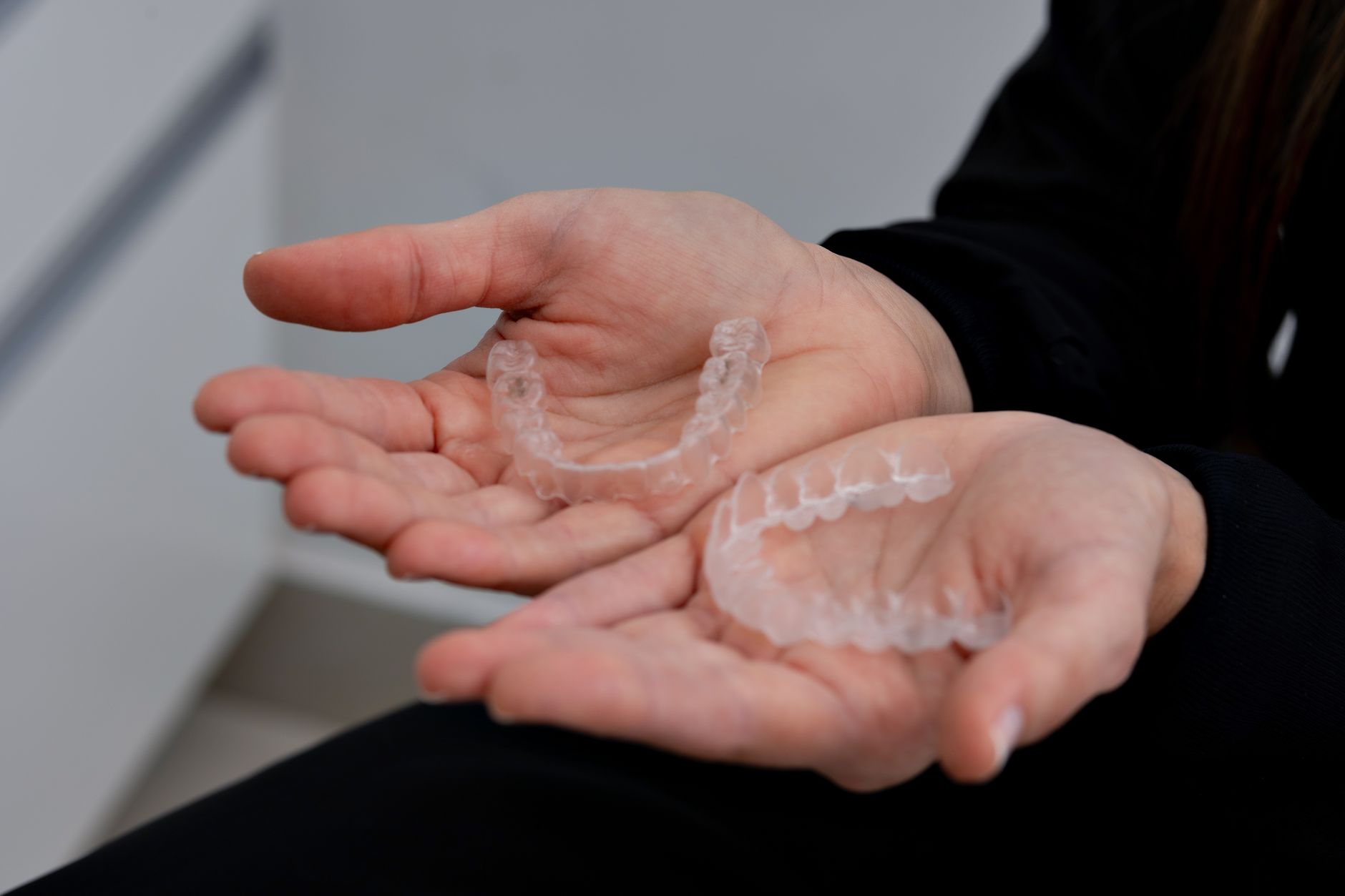
Understanding the mechanics behind each system helps parents make a genuinely informed decision, not just a cosmetic one. Traditional braces use metal or ceramic brackets. They bond directly to each tooth. Archwires connect the brackets. These apply continuous, controlled pressure. That pressure works passively around the clock. Your teen doesn't have to remember anything. The orthodontist adjusts the wires at each visit, and the teeth move on the system's schedule. Invisalign Teen, by contrast, uses a series of custom-fabricated clear aligner trays, each worn for approximately one week before advancing to the next (glistendentalstudio.com). A typical full Invisalign course can range from as few as 6–14 aligners for mild cases up to 26–50+ aligners for moderate-to-severe cases, with the Invisalign Comprehensive package placing no fixed upper limit on aligner count; the exact number is determined by case complexity and the treating orthodontist's ClinCheck plan (glistendentalstudio.com). Progress visits occur every 4–8 weeks (most commonly every 6–8 weeks) to verify the teeth are tracking correctly (glistendentalstudio.com). The critical difference is agency: braces work whether your teen cooperates or not, while Invisalign's entire clinical outcome rests on self-discipline.
What Makes Invisalign Teen Different from Regular Invisalign?
Invisalign Teen is engineered specifically for adolescent biology and behavior, and the differences from standard adult Invisalign are meaningful. The trays include built-in blue compliance indicator dots that gradually fade with wear time, giving parents and Dr. Kim a visible check at each appointment — by the time a patient is ready to switch to the next set, the dots should be faded or nearly gone, indicating sufficient wear. The system also includes replacement aligners because teens are statistically more likely to lose trays at lunch or during sports. Some Invisalign Teen plans include eruption tabs, small built-in spaces that accommodate teeth still growing in, which matters for younger teens who may not yet have all their permanent teeth. These aren't cosmetic upgrades. They're functional accommodations that make the system viable for a population that, frankly, loses things.
What Types of Braces Are Available for Teens?
Braces are not a single product. Traditional metal braces remain the most common and typically least expensive option, delivering reliable results across virtually all case types. Ceramic braces are tooth-colored. The brackets blend with enamel. They offer a more discreet look. The price is modestly higher. Ceramic brackets can stain over time if oral hygiene slips, which is a real consideration for teens who drink coffee or colored sports drinks. Lingual braces attach inside the teeth. They are nearly invisible from the front. However, they cost significantly more. They are less common for teens due to speech challenges. Self-ligating braces eliminate traditional rubber bands and use a built-in clip mechanism, which some orthodontists argue reduces friction and shortens appointment times. Each type carries the same core compliance advantage: once bonded, they work continuously.
Cost Comparison: What Does Each Option Actually Cost in 2026?
Cost is almost always the first question parents ask at a West Covina orthodontic consultation, and the honest answer is more nuanced than most online searches reveal. A simple Invisalign case may cost about the same as braces, but complex aligner treatment can become more expensive when extra refinement aligners or additional visits are needed.
Does Insurance Cover Invisalign the Same Way It Covers Braces?
Insurance coverage is one area where parents are often pleasantly surprised. Many modern PPO dental plans may apply orthodontic benefits to both braces and Invisalign, but coverage varies significantly by plan — some older or basic PPO plans limit coverage to traditional braces only or classify Invisalign as cosmetic, so patients should always verify their specific policy before beginning treatment. In West Covina, families covered by Medi-Cal should ask specifically about medical necessity criteria: Medi-Cal (Denti-Cal) covers orthodontic treatment for minors under 21 who meet medical necessity criteria at near-zero out-of-pocket cost, but coverage is limited to traditional braces as the least costly effective treatment; Invisalign/aligners are rarely approved and would typically require the patient to pay the cost difference. At One Smile Orthodontics, we verify insurance benefits before treatment begins so families understand their real out-of-pocket cost, not an estimate.
Comfort and Daily Life: Which Option Is Easier to Live With?
Comfort is not just about pain. It's about how treatment fits into a teenager's actual daily life, including school lunches, sports practice, band rehearsal, and social situations. Braces cause more initial soreness, especially after placement and wire adjustments: initial braces placement typically causes soreness for 3–7 days, while soreness after routine wire adjustment appointments is shorter, usually lasting 1–3 days, with peak discomfort in the first 24–48 hours in both cases. Invisalign tray changes generally produce milder pressure that resolves within a day or two. Braces also restrict food choices throughout the entire treatment duration: hard foods, sticky candy, popcorn, and crunchy snacks are off-limits to prevent bracket damage. Invisalign users remove their aligners for eating, so there are zero food restrictions. Clear aligners are removed for brushing and flossing, making oral hygiene routine much simpler. Teens with braces require floss threaders, interdental brushes, and ideally a water flosser to clean effectively around brackets and wires. For a 14-year-old who already struggles to brush twice a day, that's a real barrier.
How Does Each Option Affect a Teen's Social Confidence?
Social confidence during high school years carries genuine weight, and it's a legitimate clinical consideration. Invisalign's near-invisibility is a major appeal for teens who feel self-conscious about a metal smile. Ceramic tooth-colored braces offer a middle ground: more discreet than metal but still fixed in place without the compliance burden. Some teens actively enjoy personalizing their metal braces with colorful elastics, using them as a form of self-expression rather than something to hide. Consider a 16-year-old West Covina student who plays clarinet in the school band and has mild crowding: Invisalign lets her remove aligners during performances, maintain her embouchure, and avoid the lip irritation that can come with metal brackets. Social confidence with braces often improves once early tooth movement is visible, typically within the first few months.
Clinical Results: Which Option Works Better for Teens?
This is the question that matters most, and the answer is genuinely case-dependent. Braces remain the gold standard for correcting severe crowding, significant overbites, underbites, crossbites, and rotations greater than 20 degrees. They apply three-dimensional force to each tooth in a way that is highly predictable across complex cases. Braces are generally more predictable for complex cases because the system controls tooth movement continuously and does not depend on patient behavior between appointments. Invisalign has expanded its capabilities significantly through SmartForce attachments and updated aligner design protocols, handling moderate bite correction and movements that were difficult with earlier aligner generations. For mild to moderate crowding with strong compliance, clinical outcomes between braces and Invisalign are comparable. The variable that matters most for Invisalign is wear time. Aligners must be worn 20 to 22 hours per day to achieve predictable movement (glistendentalstudio.com). Teens who fall short will experience delays, and in some cases, their treatment plan requires complete revision.
What Case Types Are Better Suited to Braces vs. Invisalign?
Not every teen is an equal candidate for both options, and a thorough clinical examination is the only way to know for certain. Severe skeletal discrepancies, significant overbites requiring vertical control, and cases involving tooth extraction are generally better managed with braces or a combined approach. Mild spacing, minor crowding, and primarily cosmetic alignment cases are strong candidates for Invisalign Teen. Teens with mixed dentition, meaning some baby teeth are still present, may require phased treatment that starts with early intervention and continues later with comprehensive treatment in either modality. Only a board-certified orthodontist who reviews full X-rays and conducts a hands-on clinical examination can accurately determine which option fits a specific teen's biology and jaw development.
How to Choose the Right Option for Your Teen
The decision process has two layers: clinical suitability and practical fit. Start with an orthodontic consultation at a practice that offers both options and has no financial incentive to push one over the other. Honestly assess your teen's maturity and self-discipline before selecting Invisalign. This is not a judgment, it's a clinical requirement. A teen who forgets their aligners regularly will have worse outcomes than a teen in braces who doesn't have to think about it. Our team at One Smile Orthodontics has seen Invisalign cases succeed beautifully with motivated teens and stall entirely when wear discipline isn't there. Consider your teen's activities. Athletes, musicians, and teens with strong aesthetic concerns often lean toward Invisalign. Teens who prefer a set-it-and-forget-it approach consistently do better with braces. Demand to see before-and-after cases similar to your teen's. Verify insurance benefits and exact out-of-pocket costs before committing. Beware of practices that only offer one option. Results speak louder.
What Questions Should You Ask at the Consultation?
Arriving at the consultation with specific questions separates an informed family from one who signs a contract without fully understanding what they agreed to. Ask whether there are any clinical limitations with Invisalign for your teen's specific X-rays and bite. Ask for the estimated treatment timeline for each option in your teen's case, not an average range from a brochure. Ask how the practice handles Invisalign cases where the teen is not wearing aligners enough, and what the escalation process looks like. Ask whether your PPO insurance covers both options equally and request a written breakdown of out-of-pocket costs. Ask whether your teen will see the same doctor at every appointment or whether visits rotate among staff and providers. In a large-volume West Covina area practice, that last question matters more than most parents realize.
Frequently Asked Questions
Is Invisalign or braces faster for teens?
Can a teenager get Invisalign if they still have some baby teeth?
What happens if my teen loses or breaks an Invisalign tray?
Does Invisalign Teen cost more than braces?
Are braces or Invisalign better for fixing an overbite in teens?
How do I know if my teen will actually wear their Invisalign aligners?
Does Medi-Cal cover Invisalign or braces for teenagers in California?
Can teens play sports with Invisalign or braces?
What is the right age to start orthodontic treatment for a teenager?
Is it safe to get Invisalign from a general dentist instead of an orthodontist?
How do the costs of Invisalign and braces compare for teenagers?
Which treatment is more comfortable for teens, Invisalign or traditional braces?
What are the typical results achieved by teens using Invisalign versus braces?
Are there any long-term benefits of choosing Invisalign over braces for teens?
How do the maintenance requirements differ between Invisalign and braces for teenagers?
Sources & References
- The Complete Guide to Invisalign and Clear Aligners (2026) (opens in a new tab)[industry]
- An Evaluation of the Estimated Aligners Needed to Correct Malocclusion Traits Using Invisalign ClinCheck™ Pro Software: A Retrospective Study – PMC (NIH) (opens in a new tab)[factcheck]
- USPTO Patent Document – Night Time Orthodontics (US10111729) (opens in a new tab)[factcheck]
- Adverse effects of orthodontic treatment: A clinical perspective - PMC (PubMed Central) (opens in a new tab)[factcheck]
- USPTO Patent – Pulsatile Orthodontic Device (US10449015) (opens in a new tab)[factcheck]
- Medi-Cal Dental Provider Handbook Section 9 – Special Programs (DHCS, CA.gov) (opens in a new tab)[factcheck]
- Color fading of the blue compliance indicator encapsulated in removable clear Invisalign Teen® aligners - PMC (PubMed Central) (opens in a new tab)[factcheck]
- Insight into clear aligner therapy protocols and preferences among members of the American Association of Orthodontists in the United States and Canada – PMC (NIH) (opens in a new tab)[factcheck]
About the Author
One Smile Orthodontics
One Smile Orthodontics is a West Covina practice led by Dr. Namgu Kim, offering board-certified expertise in braces, Invisalign, and airway orthodontics for all ages.
Learn more at www.onesmileorthodontics.com → (opens in a new tab)Related Posts

7 Foods You Cannot Eat With Braces (And What to Eat Instead)
Braces are a significant investment in your smile, and what you eat can make or break your progress. This guide covers the 7 most damaging foods to avoid during orthodontic treatment, explains exactly why they cause problems, and offers delicious safe alternatives so you never feel deprived.
14 min read
Lingual Braces vs. Invisalign: Which Is Better for Adults Who Want Hidden Treatment?
Both lingual braces and Invisalign offer nearly invisible orthodontic treatment for adults, but they work very differently and suit different cases. This comparison breaks down cost, comfort, effectiveness, and lifestyle fit so you can choose the right hidden treatment for your smile goals.
9 min read
How to Keep Teeth Clean With Braces: A Step-by-Step Brushing and Flossing Guide
Keeping teeth clean with braces requires more effort than regular brushing, but the right technique makes it manageable. This step-by-step guide covers brushing angles, flossing methods, and the tools that protect your smile while you straighten it.
13 min read