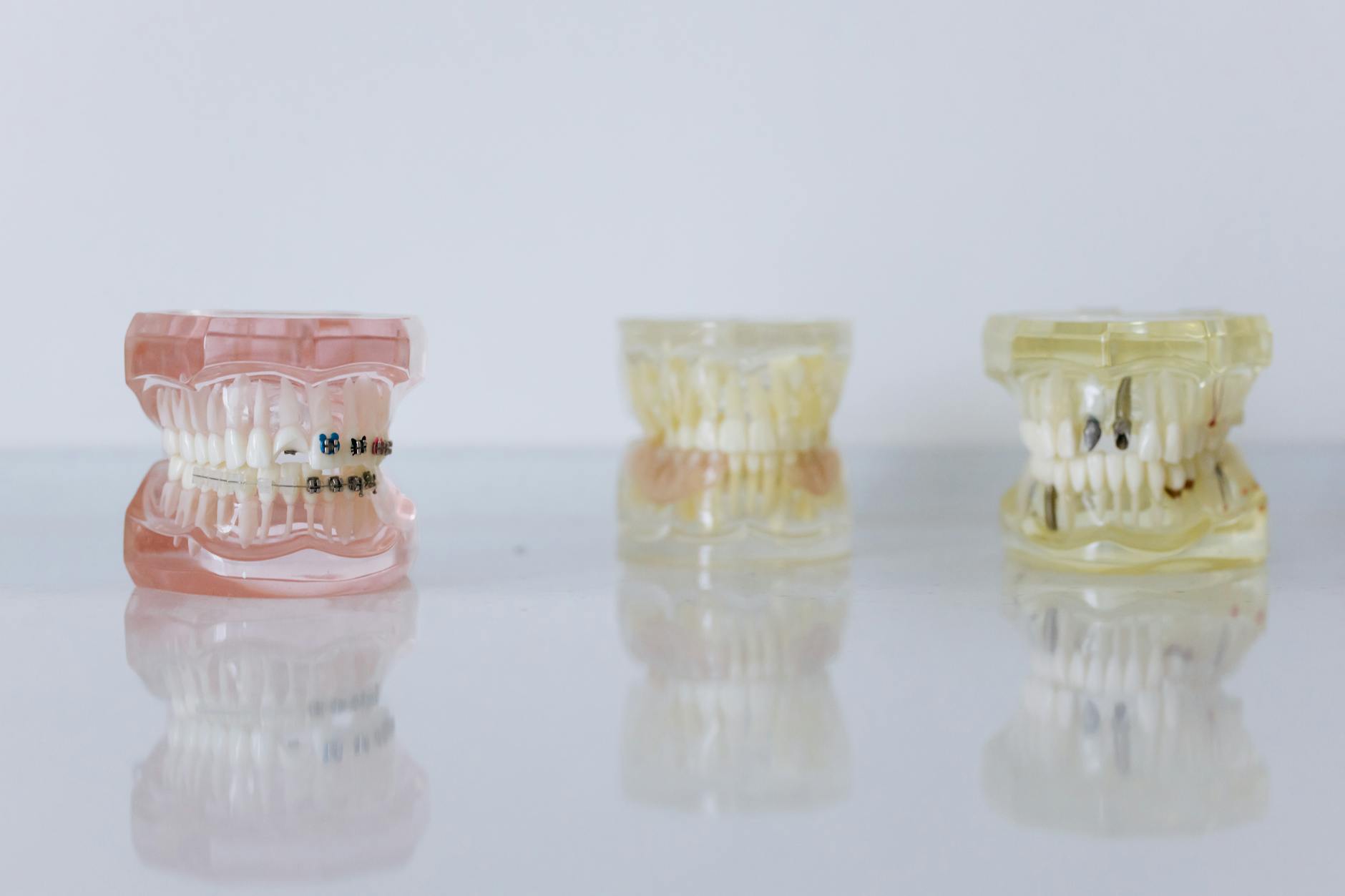
Phase 1 orthodontic treatment is early orthodontic intervention for children ages 6 to 10, while baby teeth are still present. It uses appliances like expanders or partial braces to guide jaw growth, correct bite problems, and create space for permanent teeth. Treatment typically lasts 9 to 12 months, followed by a monitoring phase before Phase 2.
How Phase 1 Orthodontic Treatment Works
Phase 1 is interceptive treatment, meaning it steps in while a child still has a mix of baby and adult teeth, typically between ages 6 and 10. At this stage, the jaw is actively growing and highly responsive to guidance. The American Association of Orthodontists (AAO) recommends that every child receive a first orthodontic evaluation by age 7, not because every child needs treatment, but because a board-certified orthodontist can detect jaw development problems that are invisible to parents and even general dentists. Early evaluation in West Covina families often reveals crossbites or narrow arches that, if caught now, avoid far more complex corrections later. Phase 1 is often shorter than full braces treatment, typically lasting 9 to 12 months (chop.edu), compared to Phase 2 which commonly runs 12 to 30 months (chop.edu). After Phase 1 concludes, most children enter a resting phase where the orthodontist monitors permanent tooth eruption without active appliances, before Phase 2 begins in adolescence.
What Appliances Are Used in Phase 1 Orthodontics
The specific appliance used in Phase 1 depends entirely on what problem is being corrected. A palate expander is the most common device. It works by applying gentle, consistent lateral pressure on the upper jaw's midpalatal suture, which has not yet fused in children ages 6 to 10. Each turn of the expansion screw widens the arch by 0.25 mm (impactortho.com), creating measurable space over weeks. Palate expansion is generally more effective in younger, growing patients before the midpalatal suture begins to fuse — a process that can start as early as age 11 in girls and age 14 in boys, but varies greatly among individuals; current orthodontic guidelines recommend individual radiographic assessment (CBCT) rather than relying on chronological age cutoffs alone (pmc.ncbi.nlm.nih.gov). Beyond expanders, partial braces are placed on select teeth to guide eruption patterns rather than fully align all teeth. Space maintainers hold room open after early baby tooth loss, preventing neighboring teeth from drifting and blocking incoming permanent teeth. Functional appliances such as the Herbst device or Twin Block correct underbites by repositioning the lower jaw during growth. For children with mouth breathing habits and narrow airways, myofunctional devices may be used alongside coordination with pediatric ENTs.
Why Phase 1 Treatment Matters for Long-Term Health
The case for Phase 1 goes well beyond straight teeth. Treating skeletal jaw problems at ages 6 to 10 takes advantage of active bone growth, which makes correction far more predictable and less invasive than waiting for skeletal maturity. That outcome is significant. The financial case for early intervention is clear. Phase 1 can also reduce the risk of permanent tooth extractions by creating adequate arch space before all adult teeth erupt, which simplifies or sometimes eliminates the need for Phase 2 braces or Invisalign for teens entirely. At One Smile Orthodontics, we see children regularly who were told to wait, and in several cases that waiting period allowed a correctable crossbite to progress into a skeletal asymmetry requiring far more comprehensive treatment.
Phase 1 Orthodontics, Airway Health, and Sleep in Children
A narrow upper arch does more than crowd teeth. It restricts nasal airway volume, pushing children into mouth breathing, which in turn affects sleep quality, facial development, and even behavior. Research shows parent-reported sleep-disordered breathing in 4% to 11% of children, with clinically diagnosed obstructive sleep apnea (OSA) in 1% to 4% (ncbi.nlm.nih.gov). Pediatric OSA affects 2% to 5% of children overall (ncbi.nlm.nih.gov). These are not rare edge cases. Palate expansion during Phase 1 has been shown to increase nasal airway volume and reduce mouth breathing. Orthodontists trained in airway orthodontics screen for signs of sleep-disordered breathing at every evaluation and coordinate care with pediatric ENTs and sleep physicians when needed. The American Academy of Dental Sleep Medicine (AADSM) and major orthodontic research institutions have increasingly recognized early airway intervention as a critical component of whole-child health, not a fringe specialty. For West Covina families noticing chronic snoring, restless sleep, or daytime fatigue in school-age children, a Phase 1 evaluation with an airway-trained orthodontist is a logical first step.
Signs Your Child May Need Phase 1 Treatment
Not every child is a candidate. But several signs warrant prompt evaluation rather than a wait-and-see approach. A crossbite, where upper teeth bite inside the lower teeth, is one of the clearest clinical indicators. Crossbite correction is most effective during active jaw growth and, if left untreated, leads to asymmetric jaw development. An underbite, where the lower jaw protrudes in front of the upper, is similarly time-sensitive, because the lower jaw grows later and longer than the upper, so correcting its position early prevents the gap from widening. Severe crowding visible while baby teeth are still present signals that the arch is too narrow for incoming permanent teeth. Thumb-sucking or pacifier habits past age 4 can reshape the palate and create open bites that respond well to early intervention. Parents in West Covina and the broader San Gabriel Valley should also watch for mouth breathing, chronic snoring, and restless sleep in children ages 6 to 10, all of which may reflect a narrow airway tied to jaw development. The decision framework is this: if a child shows any of these signs before age 10, a consultation with a board-certified orthodontist creates options. Waiting until adolescence narrows those options considerably.
What to Expect at a Phase 1 Consultation in West Covina
A Phase 1 consultation at a practice like One Smile Orthodontics is not a sales appointment. It is a clinical evaluation. Dr. Namgu Kim personally reviews records for every patient, including digital X-rays, photographs, and an intraoral exam, to assess jaw development, bite alignment, tooth eruption sequence, and airway indicators. Parents receive a clear explanation of what, if anything, requires intervention, why timing matters for that specific problem, and what happens if treatment is deferred. Many children walk out with a clean bill of orthodontic health and a scheduled recall in 12 months. For children who do need Phase 1 treatment, the consultation includes an appliance recommendation, a timeline, and a full breakdown of orthodontic treatment cost, including whether PPO dental insurance or Medi-Cal covers any portion. Complimentary initial evaluations are available for new patients.
Frequently Asked Questions
At what age should my child have their first orthodontic evaluation?
How much does Phase 1 orthodontic treatment cost, and does insurance cover it?
What is the difference between Phase 1 and Phase 2 orthodontic treatment?
Will my child definitely need braces again after Phase 1 is finished?
Is Phase 1 orthodontic treatment covered by Medi-Cal or PPO dental insurance?
How do I know if my child needs a palate expander?
What are the main benefits of Phase 1 orthodontic treatment?
How do I know if my child needs Phase 1 orthodontic treatment?
What types of appliances are used in Phase 1 orthodontic treatment?
How long does typical Phase 1 orthodontic treatment last?
Are there any risks associated with Phase 1 orthodontic treatment?
Sources & References
- Rapid Palate Expander for Kids and Adults - Complete Guide - Impact Orthodontics (opens in a new tab)[industry]
- Phase 1 vs Phase 2 Orthodontics: Understanding the Difference - Coastline Orthodontics (opens in a new tab)[industry]
- Early Orthodontic Intervention: Benefits of Phase 1 Treatment - Hughes Orthodontics (opens in a new tab)[industry]
- Pediatric Obstructive Sleep Apnea - StatPearls - NCBI Bookshelf (opens in a new tab)[gov]
- Phase 1 Orthodontics | Children's Hospital of Philadelphia (opens in a new tab)[factcheck]
- Phase 2 Orthodontics | Children's Hospital of Philadelphia (opens in a new tab)[factcheck]
- What Are the Benefits of Early Orthodontic Treatment? | American Association of Orthodontists (opens in a new tab)[factcheck]
- Early post-treatment changes of circumaxillary sutures in young patients treated with rapid maxillary expansion - PMC (NIH) (opens in a new tab)[factcheck]
- Midpalatal suture maturation: Classification method for individual assessment before rapid maxillary expansion - PMC (opens in a new tab)[factcheck]
- Epidemiology of Pediatric Obstructive Sleep Apnea – PMC (NIH / American Thoracic Society) (opens in a new tab)[factcheck]
- The Clinical Impacts of Pacifiers and Thumb Sucking Habits – American Association of Orthodontists (AAO) (opens in a new tab)[factcheck]
About the Author
One Smile Orthodontics
One Smile Orthodontics is a West Covina practice led by Dr. Namgu Kim, offering board-certified expertise in braces, Invisalign, and airway orthodontics for all ages.
Learn more at www.onesmileorthodontics.com → (opens in a new tab)Related Posts

7 Foods You Cannot Eat With Braces (And What to Eat Instead)
Braces are a significant investment in your smile, and what you eat can make or break your progress. This guide covers the 7 most damaging foods to avoid during orthodontic treatment, explains exactly why they cause problems, and offers delicious safe alternatives so you never feel deprived.
14 min read
Lingual Braces vs. Invisalign: Which Is Better for Adults Who Want Hidden Treatment?
Both lingual braces and Invisalign offer nearly invisible orthodontic treatment for adults, but they work very differently and suit different cases. This comparison breaks down cost, comfort, effectiveness, and lifestyle fit so you can choose the right hidden treatment for your smile goals.
9 min read
How to Keep Teeth Clean With Braces: A Step-by-Step Brushing and Flossing Guide
Keeping teeth clean with braces requires more effort than regular brushing, but the right technique makes it manageable. This step-by-step guide covers brushing angles, flossing methods, and the tools that protect your smile while you straighten it.
13 min read